
Kitchen Interior Design Ideas to Brilliantly Transform Your Home Into a Dream Kitchen (2025 Complete Guide)
Kitchen interior design is the key to transforming the heart of every home — a place where meals are prepared, memories are made, and families gather. With the right kitchen interior design ideas, even a small or outdated kitchen can be transformed into a beautiful, functional, and inspiring space. The secret lies not in how much you spend — but in how smartly you apply kitchen interior design principles to your specific space.
Whether you’re renovating an old kitchen, designing a brand-new modular kitchen, or simply refreshing your existing space on a budget, this guide has everything you need. According to Architectural Digest, the kitchen is consistently ranked as the room that adds the most value to a home — making smart kitchen design one of the best investments you can make.
In this comprehensive 2025 guide, we’ll walk you through the best kitchen interior design strategies — from layouts and color palettes to cabinet styles, countertop materials, lighting tricks, and storage solutions. For more home inspiration, also check out our Small Space Interior Design Tips. Let’s get started!

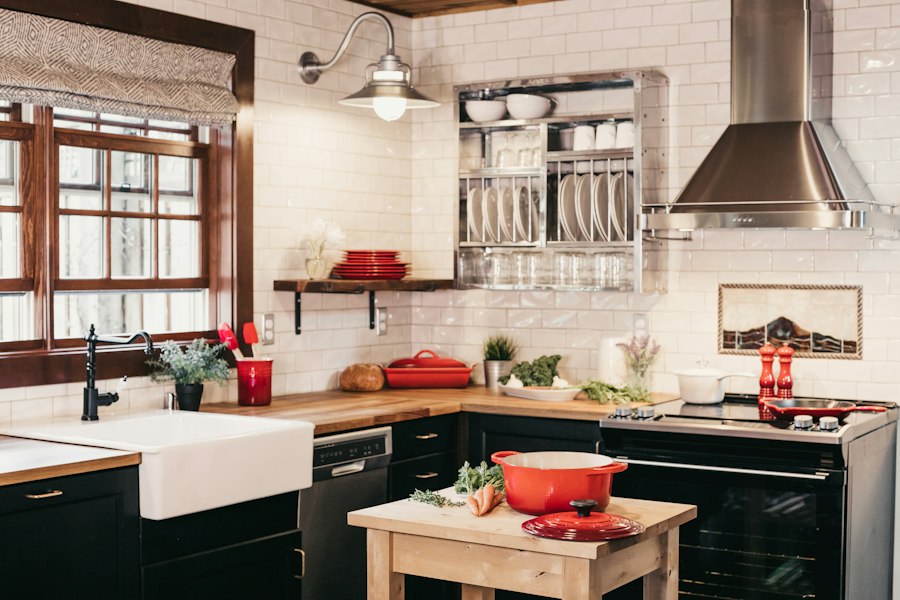
A beautifully designed modern kitchen — proof that the right interior design ideas can transform any cooking space into a dream kitchen
📋 Table of Contents
- Why Kitchen Interior Design Matters in 2025
- Best Kitchen Layout Ideas
- Modular Kitchen Design — Complete Guide
- Best Kitchen Color Combinations for 2025
- Kitchen Cabinet Design Ideas
- Countertop Materials — Which One Is Right for You?
- Kitchen Storage Solutions
- Kitchen Lighting Ideas
- Small Kitchen Design Tips
- Kitchen Flooring Ideas
- Kitchen Renovation Cost Guide
- Frequently Asked Questions
- Conclusion
1. Why Kitchen Interior Design Matters in 2025
A well-planned kitchen interior design is more than just aesthetics — it’s about creating a space that works efficiently for the people who use it every day. Poor kitchen interior design leads to wasted time, unnecessary frustration, and a cooking experience that feels more like a chore than a pleasure. Here’s why investing in quality kitchen interior design is so important:
- Increases Home Value: A renovated kitchen can increase a home’s resale value by up to 70% of the renovation cost
- Improves Daily Functionality: A well-organized kitchen saves you time and reduces stress every single day
- Enhances Safety: Proper design reduces hazards like slippery floors, poor ventilation, and fire risks
- Boosts Energy Efficiency: Modern appliances and smart layouts reduce energy and water consumption
- Creates a Social Hub: Open-plan kitchen designs make cooking a social activity for the whole family
- Reflects Your Personality: Your kitchen is one of the most personal spaces in your home — good design lets it express who you are
2. Best Kitchen Interior Design Layouts
The kitchen layout is the single most important decision in any kitchen interior design project. The right kitchen layout determines how efficiently you can move and work in your kitchen. Interior designers use the “kitchen work triangle” concept — the distance between the sink, stove, and refrigerator — as the foundation of every good kitchen layout design.
The 5 Most Popular Kitchen Layouts
| Layout Type | Best For | Pros | Cons |
|---|---|---|---|
| L-Shape | Small to medium kitchens | Efficient workflow, open feel | Corner space can be wasted |
| U-Shape | Large kitchens, families | Maximum storage & counter space | Can feel closed off |
| Galley / Straight | Studio apartments, small homes | Highly efficient, budget-friendly | Only one person can work at a time |
| Island Kitchen | Open plan homes | Extra prep space, social hub | Requires large space |
| G-Shape / Peninsula | Medium to large kitchens | Maximum storage, defines the space | Can feel enclosed |
How to Choose the Right Kitchen Layout
- Measure your space first: Always start with accurate measurements before choosing a kitchen layout
- Consider traffic flow: Make sure there’s enough room to move around comfortably — minimum 42 inches between counters in any kitchen layout
- Think about how you cook: Do you cook alone or with family? Do you entertain often? Your cooking habits should drive your kitchen layout choice
- Plan appliance placement early: Refrigerator, oven, dishwasher, and sink positions affect every other kitchen design decision
A sleek grey modular kitchen with quartz countertop — one of the most popular kitchen interior design trends in 2025
3. Modular Kitchen Design — Complete Guide
Modular kitchens have become the gold standard of kitchen interior design for good reason. Built from pre-fabricated cabinet modules that slot together, a modular kitchen interior design offers unmatched flexibility, clean aesthetics, and excellent functionality. Whether your kitchen is 50 sq ft or 500 sq ft, there is a modular solution that can work beautifully for your space.
What Is a Modular Kitchen?
A modular kitchen is made up of standard-sized cabinet units — called modules — that are manufactured off-site and assembled in your kitchen. Each module serves a specific purpose: base cabinets, wall cabinets, corner units, tall pantry units, and appliance housing. Together, they create a seamless, built-in look at a fraction of the cost of fully custom carpentry.
Modular Kitchen Cabinet Types
- Base Cabinets: Floor-level cabinets that support the countertop — the backbone of any modular kitchen
- Wall Cabinets: Mounted above the counter to maximize vertical storage without using floor space
- Tall/Pantry Units: Full-height cabinets perfect for storing pantry items, appliances, or a built-in oven
- Corner Units: Lazy Susans, pull-out carousels, or magic corner units that maximize awkward corner spaces
- Open Shelving Units: Display shelves for decorative items, cookbooks, or frequently used dishes
Best Modular Kitchen Materials
- HDF (High Density Fiberboard): Most affordable option — good for dry areas, available in moisture-resistant variants
- Marine Plywood: Most durable and moisture-resistant — best investment for long-lasting kitchen cabinets
- PVC Board: Completely waterproof — ideal for areas near the sink and in humid climates
- Stainless Steel: Professional grade, ultra-hygienic, and extremely durable — increasingly popular in home kitchens
- Solid Wood: Classic, beautiful, and high-end — requires more maintenance but adds warmth and character
4. Best Kitchen Color Combinations for 2025
Color is one of the most powerful tools in kitchen interior design. The right kitchen color palette can make a small kitchen feel larger, a dark kitchen feel brighter, and an ordinary kitchen feel extraordinary. In 2025, kitchen color trends are moving toward a balance of warmth, nature-inspired tones, and timeless neutrals.

Navy blue lower cabinets paired with crisp white uppers — one of the most stylish and trending kitchen color combinations of 2025
Top Kitchen Color Combinations for 2025
| Color Combination | Mood / Feel | Best For | Trend Level |
|---|---|---|---|
| White + Natural Wood | Clean, warm, timeless | All kitchen sizes | 🔥 Very Hot |
| Grey + White + Chrome | Modern, sleek, urban | Contemporary homes | 🔥 Very Hot |
| Navy Blue + Brass Gold | Luxurious, bold, dramatic | Large statement kitchens | ⭐ Trending |
| Sage Green + Cream | Natural, calming, organic | Farmhouse & modern rustic | ⭐ Trending |
| Terracotta + White | Warm, earthy, Mediterranean | Warm climate homes | ⭐ Trending |
| All-White | Clean, bright, spacious | Small kitchens | 📌 Classic |
| Black + White | Dramatic, bold, graphic | Modern minimalist homes | 📌 Classic |
How to Apply Kitchen Color Strategically
- Use the 60-30-10 rule: 60% dominant kitchen color (walls/cabinets), 30% secondary color (countertop/island), 10% accent color (hardware/accessories)
- Two-tone cabinets: Use darker kitchen color on lower cabinets and lighter colors on upper cabinets — grounds the space while keeping it bright
- Color the island differently: A contrasting island color adds visual interest and defines the workspace
- Match your hardware to your color: Warm-toned kitchens look best with brass or gold hardware; cool-toned kitchens suit chrome or brushed nickel
5. Kitchen Interior Design: Cabinet Ideas & Styles
Cabinets make up the majority of your kitchen’s visual surface area — they are the single most impactful element of any kitchen interior design. Choosing the right kitchen cabinet style, finish, and hardware can completely transform the look and feel of your kitchen. The right kitchen cabinet design sets the tone for the entire space.
Popular Cabinet Door Styles
- Shaker Style: The most popular cabinet style in 2025 — simple recessed panel door that works in modern, traditional, and transitional kitchens
- Flat Panel / Slab: Completely flat door with no raised or recessed details — clean, contemporary, and easy to clean
- Raised Panel: Traditional style with a raised center panel — classic and formal, best for traditional or farmhouse kitchens
- Glass Front: Upper cabinets with glass panels — display dishes and glassware while creating an open, airy feel
- Open Shelving: No doors at all — creates a casual, accessible feel but requires everything to be neatly organized at all times
Cabinet Finish Options
- Matte Finish: Sophisticated, fingerprint-resistant, and on-trend for 2025 — the most popular choice this year
- Gloss / High-Gloss Finish: Reflects light beautifully and makes small kitchens feel larger — shows fingerprints more easily
- Wood Veneer: Real wood look at a lower cost — adds warmth and natural texture to modern kitchens
- Lacquer Finish: Durable, smooth, and available in any color — premium look with easy maintenance
- Painted Finish: Most customizable option — any color you can imagine, redone as easily as repainting
6. Countertop Materials — Which One Is Right for You?
Your kitchen countertop is one of the hardest-working surfaces in your home. It needs to look beautiful, resist heat, scratches, and stains, and be easy to clean. In any kitchen interior design project, choosing the right countertop material is one of the most important decisions you will make.
Countertop Materials Comparison
| Material | Durability | Maintenance | Cost (per sq ft) | Best For |
|---|---|---|---|---|
| Granite | Excellent | Annual sealing required | $15 – $50 per sq ft | Most kitchens |
| Quartz (Engineered) | Excellent | Zero maintenance | $50 – $120 per sq ft | Busy family kitchens |
| Marble | Moderate | Regular sealing + careful use | $40 – $150 per sq ft | Luxury kitchens |
| Compact Laminate | Good | Very easy to clean | $10 – $30 per sq ft | Budget renovations |
| Stainless Steel | Excellent | Easy — wipe clean | $30 – $80 per sq ft | Modern / professional kitchens |
| Ceramic Tiles | Moderate | Grout lines require cleaning | $5 – $20 per sq ft | Very tight budgets |
7. Kitchen Interior Design: Smart Storage Solutions
Among all kitchen interior design ideas, clever kitchen storage planning makes the biggest difference in daily life. A kitchen with excellent kitchen storage feels spacious and organized even when it’s small. A kitchen with poor kitchen storage feels chaotic even when it’s large. Here are the smartest kitchen storage solutions for modern kitchens.
Smart vertical storage with pull-out drawers and ceiling-height cabinets — maximizing every inch of kitchen space
Base Cabinet Storage Solutions
- Deep Pull-Out Drawers: Far more accessible than traditional shelves inside cabinets — you can see and reach everything easily
- Pull-Out Pantry Columns: Narrow pull-out units next to the refrigerator or oven that make use of every inch
- Corner Carousel (Lazy Susan): Rotating trays inside corner cabinets that give you full access to the back of the corner
- Magic Corner Units: A hinged pull-out system that brings items from the very back of a corner to you
- Under-Sink Organizers: Adjustable shelves and pull-out trays that organize cleaning supplies around the plumbing
Wall Cabinet and Vertical Storage
- Ceiling-Height Cabinets: Extend cabinets all the way to the ceiling to maximize storage — use the top section for rarely used items
- Hanging Pot Racks: Suspend pots and pans from the ceiling or a wall-mounted rail to free up cabinet space completely
- Magnetic Knife Strips: Mount knives on the wall — safer and more accessible than a knife block on the counter
- Pegboards: Highly versatile wall storage for utensils, spice jars, cutting boards, and small pots
- Open Floating Shelves: Display frequently used items and add personality — great above countertops or the stove
8. Kitchen Interior Design Lighting Ideas
Lighting is one of the most transformative yet most overlooked elements of kitchen interior design. The right kitchen lighting strategy can make a small kitchen feel larger, make food look more appetizing, and make cooking safer and more enjoyable. A well-planned kitchen lighting design uses a layered approach that combines three types of lighting.
The 3 Layers of Kitchen Lighting
- Ambient Lighting (General): The main light source that illuminates the entire kitchen — recessed downlights, flush ceiling fixtures, or large pendants. Use warm white (3000K) for a cozy atmosphere or cool white (4000K) for a crisp, modern feel.
- Task Lighting (Functional): Focused light directed at specific work areas — under-cabinet LED strips are the most popular choice, illuminating the countertop directly where you chop, prep, and cook.
- Accent Lighting (Decorative): Lights that add atmosphere and visual interest — inside glass cabinets, toe-kick lighting along the floor, above-cabinet uplighting, or statement pendants over an island.
Best Kitchen Lighting Fixtures for 2025
- Recessed LED Downlights: Clean, modern, and space-saving — the most popular choice for ambient lighting in contemporary kitchens
- Pendant Lights Over Island: One of the most impactful design choices in a kitchen — statement pendants add personality and focused task lighting simultaneously
- Under-Cabinet LED Strips: Inexpensive, easy to install, and incredibly effective at improving countertop visibility
- Linear Suspension Lights: Long, horizontal fixtures that look stunning over kitchen islands and dining areas
- Dimmable Switches: Install dimmers on all kitchen lighting circuits — the ability to control intensity is essential for creating different moods throughout the day
9. Small Kitchen Interior Design Tips
Small kitchens present unique challenges, but with the right kitchen interior design strategies, even the most compact cooking space can feel functional, beautiful, and surprisingly spacious. Smart kitchen interior design for small spaces means making every single decision intentionally — there is no room for waste in a small kitchen.
Visual Tricks to Make a Small Kitchen Look Larger
- Use light colors: White, cream, light grey, and pale sage green all reflect light and expand the visual space
- Extend cabinets to the ceiling: No gap between the top of cabinets and the ceiling means no visual break — the room reads as taller
- Choose handleless cabinets: Handle-free doors have a cleaner, less visually cluttered appearance that makes small kitchens feel sleeker
- Use large-format tiles: Large floor and wall tiles have fewer grout lines — the floor reads as a single continuous surface, making the room look bigger
- Install a mirrored backsplash: Reflects light and the rest of the kitchen, creating the illusion of double the space
- Use glass cabinet doors: On at least some upper cabinets, glass doors prevent the wall of solid wood from feeling oppressive
Space-Saving Kitchen Storage for Small Kitchens
- Fold-down dining table: A wall-mounted table that folds flat when not in use — perfect for tiny kitchens that also serve as a dining area
- Magnetic spice rack on the fridge: Keeps spices accessible without using any counter or cabinet kitchen storage space
- Tension rod under the sink: Hang spray bottles from a tension rod to free up the base of the sink cabinet
- Pull-out cutting board over the trash: A slide-out cutting board that covers the trash can doubles as prep space and hides waste
- Stackable cookware: Nesting pots and pans take up a fraction of the space — a smart kitchen storage choice
10. Kitchen Flooring Ideas
Your kitchen floor is one of the most hardworked surfaces in your entire home — it faces daily foot traffic, spills, dropped items, and moisture. Choosing the right kitchen flooring is a critical part of any kitchen interior design project. The best kitchen flooring must be durable, water-resistant, easy to clean, and beautiful.
Best Kitchen Flooring Options
| Flooring Type | Durability | Water Resistance | Maintenance | Best For |
|---|---|---|---|---|
| Porcelain Tile | Excellent | 100% waterproof | Very easy | Most kitchens |
| Ceramic Tile | Good | Very water resistant | Easy | Budget kitchens |
| Vinyl / LVT | Good | Fully waterproof | Very easy | DIY renovations |
| Natural Stone | Excellent | Needs sealing | Moderate | Luxury kitchens |
| Hardwood | Moderate | Low — avoid near sink | Regular refinishing | Dry open-plan areas |
11. Kitchen Renovation Cost Guide (2025)
One of the first questions anyone asks when planning a kitchen renovation is: “How much will it cost?” The honest answer is: it depends entirely on your choices. Here is a realistic breakdown of kitchen interior design and kitchen renovation costs in USD for 2025:
| Item | Budget Range | Mid-Range | Premium |
|---|---|---|---|
| Base & Wall Cabinets | $500 – $1,500 | $2,000 – $5,000 | $8,000+ |
| Countertop | $300 – $800 | $1,000 – $2,500 | $4,000+ |
| Flooring & Wall Tiles | $200 – $600 | $800 – $2,000 | $3,500+ |
| Lighting | $100 – $300 | $400 – $1,000 | $2,000+ |
| Plumbing & Fittings | $200 – $500 | $600 – $1,500 | $3,000+ |
| Labour / Installation | $300 – $700 | $1,000 – $2,500 | $5,000+ |
| Total Estimate | $1,600 – $4,400 | $5,800 – $14,500 | $25,000+ |
12. Frequently Asked Questions (FAQs)
A: The very first step in any kitchen interior design project is to measure your kitchen accurately and establish your budget. From there, choose your layout based on the space available, then work with a designer or use planning software to map out your cabinet placement, appliance positions, and workflow. Getting these foundational kitchen interior design decisions right makes every subsequent choice easier and more coherent.
A: A basic modular kitchen starts at around $1,500 to $4,000 for a small kitchen with standard cabinets. A mid-range modular kitchen with quality plywood cabinets and a granite countertop typically costs $5,000 to $15,000. Premium modular kitchens with imported finishes, quartz countertops, and branded fittings can cost $25,000 or more depending on size and specifications.
A: Light, neutral colors are universally best for small kitchens. White is the ultimate space-expander — it reflects maximum light and makes walls and cabinets recede visually. Off-white, cream, and very light grey are excellent alternatives that add a touch of warmth without sacrificing the sense of space. If you want color, use it as an accent on a single surface — like the island or the backsplash — while keeping the majority of the kitchen light.
A: Extend your cabinets all the way to the ceiling to use every inch of vertical space. Install pull-out drawers instead of fixed shelves inside base cabinets — they give you full visibility and access to everything. Use the inside of cabinet doors for small organizers. Add a hanging pot rack to free up cabinet space. Use magnetic knife strips on the wall instead of a knife block on the counter. Every surface and unused space should be considered a storage opportunity.
A: For most kitchens, granite offers the best combination of durability, heat resistance, beauty, and value. It requires annual sealing but is otherwise very low maintenance and lasts a lifetime. Quartz (engineered stone) is technically superior — it’s non-porous, requires zero sealing, and is extremely durable — but costs more. For budget renovations, a high-quality compact laminate countertop is a practical and attractive alternative that requires very little maintenance.
A: This depends on your cooking habits and lifestyle. An open kitchen connected to the living or dining area feels more spacious, allows you to socialize while cooking, and is ideal for entertaining. However, it means cooking smells and sounds travel to the rest of your home. A closed kitchen contains smells and mess, which many cooks prefer — especially for heavy spice-based cooking. A semi-open kitchen with a large window or pass-through offers a middle ground that many homeowners find ideal.
A: The timeline depends heavily on the scope of work. A basic kitchen refresh — new tiles, fresh paint, and replacing cabinet doors — can be completed in 1 to 2 weeks. A full modular kitchen installation typically takes 3 to 7 days once cabinets are delivered. A complete gut renovation involving new plumbing, electrical work, structural changes, and full kitchen installation can take anywhere from 3 to 8 weeks. Always build extra time into your planning for delays in material delivery or unexpected structural issues.
13. Conclusion: Your Kitchen Interior Design Journey Starts Here
Designing a beautiful, functional, and timeless kitchen is one of the most rewarding home improvement projects you can undertake. With the kitchen interior design ideas in this guide, you now have a complete roadmap — from choosing the right layout and color palette to selecting materials, planning storage, and budgeting realistically. These proven kitchen interior design strategies work whether you have a tiny apartment kitchen or a large family cooking space, a modest budget or a generous one. For more home design inspiration, don’t miss our complete Small Space Interior Design Guide.
Remember these key takeaways from this complete kitchen interior design guide:
- ✅ Choose the right layout first — the work triangle is the foundation of every great kitchen
- ✅ Invest in quality cabinet carcasses — marine plywood lasts decades and protects your investment
- ✅ Use light colors to make small kitchens feel larger and brighter
- ✅ Layer your lighting — ambient + task + accent is the winning formula
- ✅ Plan storage strategically — zone by frequency of use for maximum efficiency
- ✅ Choose countertop material based on your cooking habits, not just aesthetics
- ✅ Get multiple quotes and always keep a 15-20% contingency budget
- ✅ Don’t overlook the details — hardware, lighting fixtures, and tile grout color all matter
The best kitchen interior design doesn’t happen by accident — it is the result of careful planning, informed decisions, and attention to both the big picture and the small details. Start with one section of this guide, apply those principles to your kitchen, and watch the transformation begin.
Remember: great kitchen interior design doesn’t have to be large or expensive — it just has to be right for you. Happy designing!