

Small Space Interior Design Tips: 10 Brilliant Ways to Make Any Room Look Bigger (2026 Complete Guide)
Living in a small home, apartment, or studio doesn’t mean you have to sacrifice style or comfort. With the right small space interior design tips, even the tiniest room can feel open, airy, and beautifully organized. The secret lies not in the size of your space — but in how cleverly you apply small space interior design tips every day.
Millions of people around the world are embracing compact living, and interior designers have developed brilliant techniques to make small spaces work harder and look stunning. Whether you’re decorating a studio apartment, a small bedroom, a tiny living room, or a compact kitchen, these small space interior design tips have everything you need. According to Architectural Digest, thoughtful design is the single most important factor in making compact homes feel luxurious.
In this comprehensive 2025 guide, we’ll walk you through the best small space interior design strategies — from furniture selection and color palettes to lighting tricks, storage hacks, and optical illusions that make any room look twice its size. For more home decor inspiration, also check out our Patio & Deck Design Tips. Let’s dive in!
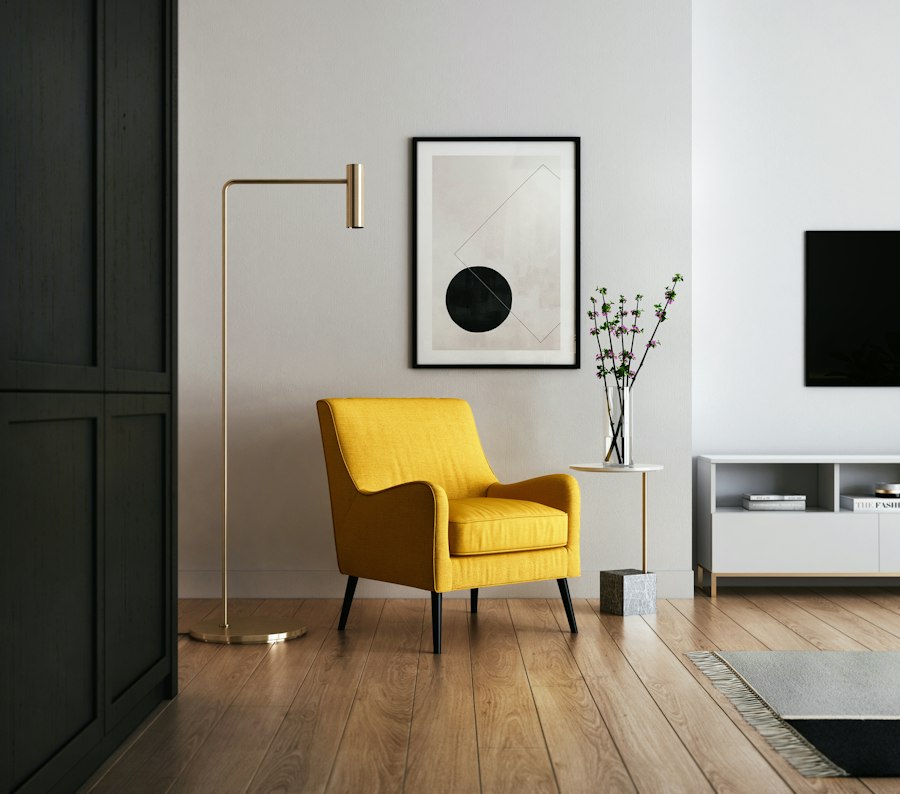
A beautifully designed small living space — proof that compact rooms can be stylish, functional, and inviting
📋 Table of Contents
- Why Small Space Design Matters in 2025
- Choose the Right Color Palette
- Smart Furniture Selection for Small Rooms
- Maximize Vertical Space
- Lighting Tips to Open Up Small Spaces
- Clever Storage Solutions
- Use of Mirrors and Reflective Surfaces
- Flooring Tricks to Make Rooms Look Bigger
- Room-by-Room Small Space Design Tips
- Decluttering: The Foundation of Small Space Design
- Frequently Asked Questions
- Conclusion
1. Why Small Space Interior Design Tips Matter in 2025
As urban populations grow and housing costs rise, more and more people are choosing — or being forced to choose — smaller living spaces. But small doesn’t have to mean cramped or uncomfortable. In fact, well-designed small spaces are often cozier, more efficient, and easier to maintain than large ones.
- Urban Living Trend: Over 55% of the world’s population now lives in cities, where space is at a premium
- Cost Savings: Smaller homes cost less to rent, buy, heat, and cool
- Eco-Friendly: Compact living reduces your carbon footprint significantly
- Easier to Maintain: Less space means less time cleaning and organizing
- Forces Creativity: Designing small spaces pushes you to be more creative and intentional
- Minimalist Lifestyle: Small spaces naturally encourage a clutter-free, minimalist approach to life
2. Choose the Right Color Palette
Color is one of the most powerful small space interior design tips you can apply. The right colors can make a room feel expansive and bright, while the wrong ones can make it feel claustrophobic and dark.
Best Colors for Small Spaces
Light, neutral colors are your best friend when designing a small room. Here are the top choices:
- White: The ultimate space-expander — reflects maximum light and makes walls “disappear”
- Off-White / Cream: Warmer than pure white, still very effective at opening spaces
- Light Gray: Modern, sophisticated, and space-enhancing
- Soft Beige: Warm and inviting without feeling heavy
- Pale Blue: Creates a calming, airy atmosphere similar to the sky
- Mint Green: Fresh and light, works especially well in bathrooms and kitchens
How to Use Color Strategically
- Paint the ceiling white: A white or very light ceiling always makes a room feel taller
- Use one color throughout: A monochromatic color scheme creates flow and makes spaces feel larger
- Avoid too many contrasting colors: High contrast breaks up the visual flow and makes rooms feel smaller
- Use dark colors as accents only: A dark accent wall or dark furniture pieces can add depth without overwhelming the space
- Match your furniture color to walls: When furniture blends with the wall color, it reduces visual clutter and opens up the room
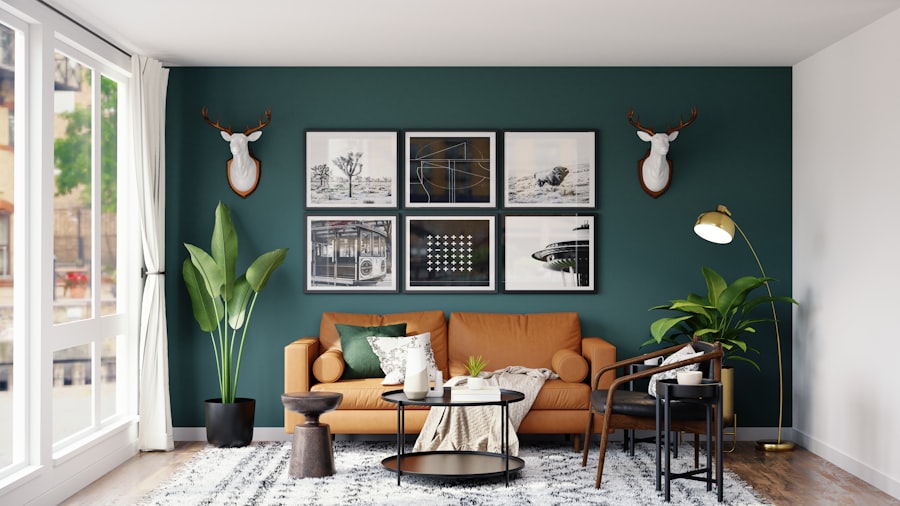
Light colors, minimal furniture, and smart storage transform this small bedroom into a peaceful retreat
3. Smart Furniture Selection for Small Rooms
Furniture is often the biggest challenge when applying small space interior design tips. Too much furniture makes a room feel crowded; too little makes it feel cold and empty. The goal is to find the perfect balance — choosing pieces that are functional, proportionate, and multi-purpose. Experts at IKEA’s Small Space Ideas recommend always measuring your space before purchasing any furniture piece.
Key Principles for Furniture in Small Spaces
- Choose multi-functional pieces: A sofa bed, a storage ottoman, or a dining table that folds against the wall serves double duty
- Select furniture with legs: Pieces elevated off the floor allow you to see under them, which creates a sense of more floor space
- Avoid bulky, heavy furniture: Oversized sofas and chunky cabinets overwhelm small rooms
- Use transparent furniture: Glass coffee tables and acrylic chairs take up visual space without blocking light
- Go for streamlined designs: Clean lines and simple silhouettes keep small spaces looking neat
Best Multi-Functional Furniture Pieces
| Furniture Piece | Primary Use | Secondary Use | Best For |
|---|---|---|---|
| Murphy Bed / Wall Bed | Sleeping | Desk or sofa when folded up | Studio apartments |
| Storage Ottoman | Seating / footrest | Hidden storage inside | Living rooms |
| Extendable Dining Table | Daily dining (small) | Expands for guests | Small dining areas |
| Loft Bed | Sleeping | Desk / wardrobe below | Small bedrooms |
| Sofa with Storage | Seating | Blankets / items storage | Living rooms |
| Nesting Tables | Side table | Additional surface when needed | Any small room |
4. Maximize Vertical Space
One of the most overlooked small space interior design tips is to go UP. When floor space is limited, vertical space is one of the most underutilized resources in small homes, and taking advantage of it can dramatically increase your storage and visual depth.
Ways to Use Vertical Space Effectively
- Floor-to-ceiling shelving: Install shelves all the way up to the ceiling to maximize storage and draw the eye upward
- Tall bookcases: A bookcase that reaches the ceiling makes the room feel grander and provides massive storage
- Wall-mounted cabinets: Keep floors clear by mounting storage on walls instead of using freestanding units
- Hanging pot racks: In kitchens, hang pots and pans from the ceiling to free up cabinet space
- Wall hooks and pegboards: Functional and decorative — great for entryways, kitchens, and home offices
- Tall curtains: Hang curtains as close to the ceiling as possible and let them fall to the floor — this elongates the room dramatically
- High-placed artwork: Hanging art higher on the wall draws the eye upward and makes ceilings feel higher
5. Lighting Tips to Open Up Small Spaces
Lighting is one of the most transformative small space interior design tips you can follow. The right lighting can make a small room feel twice as large, while poor lighting makes any space feel gloomy and cramped.
Natural Light First
Maximize whatever natural light you have coming into your small space:
- Use sheer curtains: Let natural light flood in while still maintaining privacy
- Avoid blocking windows: Don’t place tall furniture in front of windows
- Clean your windows regularly: Dirty windows block more light than you’d think
- Use light-colored window treatments: Dark curtains absorb light and make rooms feel smaller
Artificial Lighting Strategy
- Layer your lighting: Combine ambient (overhead), task (focused), and accent lighting for depth and warmth
- Use recessed lighting: Ceiling-flush lights don’t take up visual space the way hanging fixtures do
- Install wall sconces: They save floor and table space while adding beautiful light
- Use warm white bulbs: Warm light (2700K–3000K) makes small spaces feel cozy and inviting
- Light up dark corners: Dark corners make rooms feel smaller — illuminate them with a floor lamp or accent light
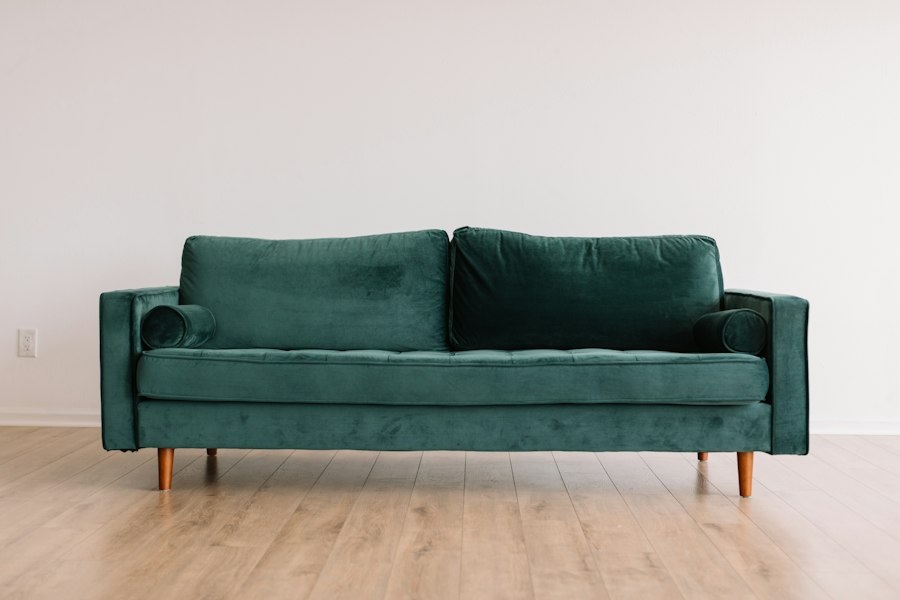
Smart lighting combined with multi-functional furniture transforms this compact living room into an inviting space
6. Clever Storage Solutions
Among all small space interior design tips, clever storage is the one that makes the biggest daily difference. In small spaces, every square inch counts, and the best designers think creatively about where and how to store things. The goal is to keep belongings organized and out of sight — because clutter is the number one enemy of small spaces.
Hidden Storage Ideas
- Under-bed storage: Use bed frames with built-in drawers or store items in flat boxes underneath
- Ottoman with storage: Doubles as a coffee table, extra seating, and a hidden storage chest
- Built-in window seats: The space below a window seat can hide a surprising amount of storage
- Staircase drawers: If you have stairs, the space underneath each step can be turned into a drawer
- Hollow furniture: Look for beds, sofas, and benches with hollow interiors for hidden storage
Wall and Door Storage
- Over-door organizers: Perfect for pantries, bathrooms, and bedroom doors
- Magnetic knife strips: In kitchens, mount knives on the wall instead of keeping them in a block on the counter
- Pegboards: Incredibly versatile — use them in kitchens, offices, craft rooms, and entryways
- Floating shelves: Add storage and style without taking up floor space
- Cabinet door organizers: Use the inside of cabinet doors for spices, cleaning supplies, or small tools
7. Use of Mirrors and Reflective Surfaces
Mirrors are one of the oldest small space interior design tips in the book — and for good reason. A well-placed mirror can literally double the apparent size of a room by reflecting both natural and artificial light and creating the illusion of additional space.
How to Use Mirrors Effectively
- Large floor mirrors: Lean a large mirror against a wall to make the room feel much deeper
- Mirror opposite a window: Reflects natural light and creates the illusion of a second window
- Mirrored furniture: Mirrored dressers and side tables reflect the room and add a glamorous touch
- Mirror gallery wall: Combine several mirrors of different shapes and sizes for a stylish, space-expanding effect
- Mirrored backsplash: In kitchens, a mirrored tile backsplash reflects light and makes the space feel larger
- Mirrored closet doors: Replaces solid doors while making bedrooms look significantly bigger
Other Reflective Surfaces
Beyond mirrors, other reflective materials can help bounce light around your small space:
- Glossy or lacquered furniture finishes
- Metallic accents (gold, silver, chrome hardware)
- Glass-top tables and shelves
- High-gloss paint on walls or ceilings
- Polished tile flooring
8. Flooring Tricks to Make Rooms Look Bigger
Flooring choices are often underestimated as small space interior design tips, but your choice of flooring and how you lay it can have a dramatic effect on how large — or small — a room feels. Here are the best flooring strategies for small spaces:
Best Flooring Options for Small Spaces
| Flooring Type | Effect on Space | Best Use | Cost Range |
|---|---|---|---|
| Light hardwood (lengthwise) | Elongates the room | Living rooms, bedrooms | $$$ |
| Large-format tiles | Fewer grout lines = bigger feel | Kitchens, bathrooms | $$-$$$ |
| Light-colored LVP | Bright and space-expanding | Any room | $$ |
| Diagonal pattern tiles | Creates illusion of width | Small square rooms | $$ |
| Continuous flooring throughout | No visual breaks = bigger space | Open floor plans | Varies |
9. Room-by-Room Small Space Interior Design Tips
Each room in a small home has its own unique challenges. Here are tailored design tips for the most common small spaces:
Small Living Room
- Choose a sofa that fits the scale of the room — not the largest one you can find
- Use a round or oval coffee table to improve flow and reduce sharp angles
- Mount the TV on the wall instead of using a bulky TV stand
- Use a large area rug to define the seating area and anchor the space
- Limit decorative items — choose a few statement pieces rather than many small ones
Small Bedroom
- Place the bed against the wall or in a corner to maximize floor space
- Use built-in wardrobes rather than freestanding armoires
- Choose bedside tables with drawers instead of open shelves
- Keep the area under the bed clear or use it for hidden storage
- Use light, airy bedding in neutral tones to keep the room feeling open
Small Kitchen
- Use open shelving instead of upper cabinets to keep the space feeling airy
- Choose a kitchen island on wheels that can be moved when not in use
- Install a fold-down breakfast bar attached to the wall
- Use magnetic strips and hooks to keep counters clear
- Choose appliances in light colors or stainless steel to reflect light
Small Bathroom
- Use a pedestal sink instead of a vanity to free up floor space visually
- Install a walk-in shower instead of a tub to maximize space
- Use large-format tiles on both floor and walls to minimize grout lines
- Add a mirrored medicine cabinet for hidden storage
- Use a clear glass shower door instead of a curtain — it opens up the space visually
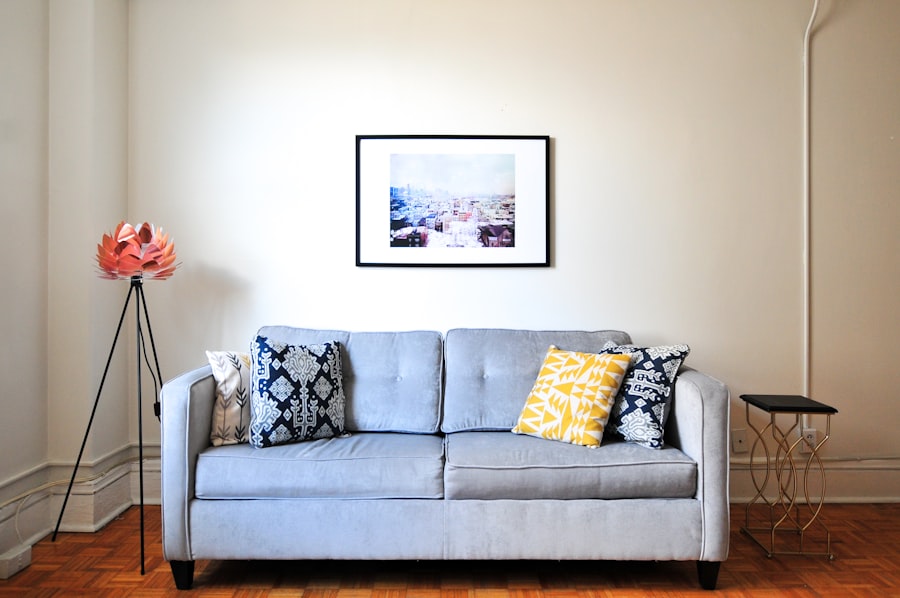
Smart room-by-room design choices create a cohesive, spacious feel even in a compact apartment
10. Decluttering: The Foundation of Small Space Interior Design Tips
No amount of clever small space interior design tips can save a cluttered room. Decluttering is not just about tidying up — it’s about making intentional decisions about what belongs in your home and what doesn’t. In a small space, every item must earn its place.
The KonMari Method for Small Spaces
Marie Kondo’s famous decluttering method is especially powerful in small spaces:
- Keep only items that “spark joy” or serve a clear purpose
- Declutter by category (clothes, books, papers, miscellaneous, sentimental) — not by room
- Give everything a designated home where it always lives
- Fold clothes vertically so you can see everything in your drawers at once
Daily Habits for a Clutter-Free Small Home
- One in, one out rule: Every time you bring something new into the home, remove something old
- Put things away immediately: Don’t let items pile up on surfaces
- Weekly declutter sessions: Spend 15 minutes each week clearing out what doesn’t belong
- Digitize where possible: Books, CDs, and documents can often be stored digitally
- Limit decorative items: Choose a few meaningful pieces rather than filling every surface
Small Space Design Budget Guide
| Design Element | Budget Option | Mid-Range | Premium |
|---|---|---|---|
| Wall Paint | $30–$50 | $80–$120 | $200+ (designer) |
| Multi-Use Furniture | $100–$300 | $500–$1000 | $2000+ (custom) |
| Storage Solutions | $50–$150 | $300–$600 | $1500+ (built-in) |
| Mirrors | $20–$60 | $100–$300 | $500+ (custom) |
| Lighting | $40–$100 | $200–$500 | $1000+ (smart) |
| Total Estimate | ~$240–$660 | ~$1180–$2520 | $5200+ |
11. Frequently Asked Questions About Small Space Interior Design Tips
A: Light, neutral colors are the most effective for making small rooms appear larger. White, off-white, cream, soft gray, and pale blue all reflect light beautifully and create a sense of openness. Avoid very dark colors on all four walls, as they tend to close a space in — though a single dark accent wall can add depth if used carefully.
A: Start by choosing the right bed size — a king bed in a small room will dominate the space. Opt for a queen or full size if possible, and place it against one wall. Use wall-mounted bedside lamps instead of table lamps, install built-in wardrobes, use under-bed storage, and keep the color palette light and simple. A large mirror on one wall will also dramatically open up the space.
A: Multi-functional furniture is the best investment for small apartments. Look for Murphy beds, sofa beds, extendable dining tables, storage ottomans, and nesting tables. Also consider furniture with legs (rather than pieces that sit directly on the floor), as this creates a sense of more floor space and allows light to pass underneath, making rooms feel larger and airier.
A: The key is hidden and vertical storage. Use under-bed drawers, ottomans with lids, built-in shelving that reaches the ceiling, and wall-mounted cabinets. Keep storage solutions uniform in style and color so they blend into the space rather than standing out. Closed storage (doors and drawers) is better than open storage for keeping things looking tidy and uncluttered.
A: The right rug can make a small room look bigger — but the wrong size rug will make it look smaller. Always choose a rug that is large enough for all (or at least the front legs of) your furniture to sit on. A rug that is too small “shrinks” the space visually. Choose light colors or simple, low-contrast patterns to keep the floor feeling open.
A: For small rooms, curtains are generally more effective than blinds — but only if used correctly. Hang curtains as high as possible (close to the ceiling) and let them fall all the way to the floor. This elongates the room and draws the eye upward. Choose light, sheer fabrics in neutral colors to allow maximum natural light while still providing privacy. Avoid heavy, dark curtains in small spaces.
A: Yes, but use them sparingly and strategically. A bold patterned wallpaper on one accent wall can add personality and depth without overwhelming a small space. Use patterns on a single element — a pillow, a rug, or one wall — and keep the rest of the room simple and neutral. Avoid large, busy patterns on multiple surfaces, as this creates visual chaos that makes rooms feel smaller and more chaotic.
A: Use furniture arrangement and rugs to define separate zones without walls. Place a sofa with its back to the dining area to create a visual separation between the two spaces. Use a large area rug under the seating area and a different (but complementary) rug under the dining table. Choose a cohesive color palette throughout to maintain flow. Keep the furniture scale consistent and avoid cluttering either zone with too many pieces.
12. Conclusion
Designing a beautiful and functional small space is absolutely achievable — it just requires creativity, intentionality, and the right strategies. With the small space interior design tips in this guide, you have everything you need to transform even the most compact room into a stylish, comfortable, and spacious-feeling home. These proven small space interior design tips work whether you’re in a studio apartment, a small house, or simply a single room that needs a refresh. For your outdoor areas, don’t miss our complete guide to Patio & Deck Design.
Remember these key takeaways from our complete guide:
- ✅ Choose light, neutral colors to reflect light and expand space visually
- ✅ Select multi-functional furniture that serves more than one purpose
- ✅ Go vertical — use walls and ceiling height for storage and display
- ✅ Layer lighting to eliminate dark corners and create warmth
- ✅ Use mirrors and reflective surfaces to multiply light and depth
- ✅ Choose the right flooring and lay it lengthwise or diagonally
- ✅ Apply room-by-room strategies tailored to each specific space
- ✅ Declutter regularly — a tidy small space always feels larger
The most successful small space designs don’t try to hide the fact that a space is small — they celebrate it. Compact homes can be cozy, intentional, and deeply personal in ways that larger homes often aren’t. Start with one tip from this guide, apply it today, and watch your small space begin to transform.
Remember: it’s not about the size of your space — it’s about the quality of your design. Happy decorating!