
Byline: By Home Tweakz Team | Last Updated: 2026
Introduction
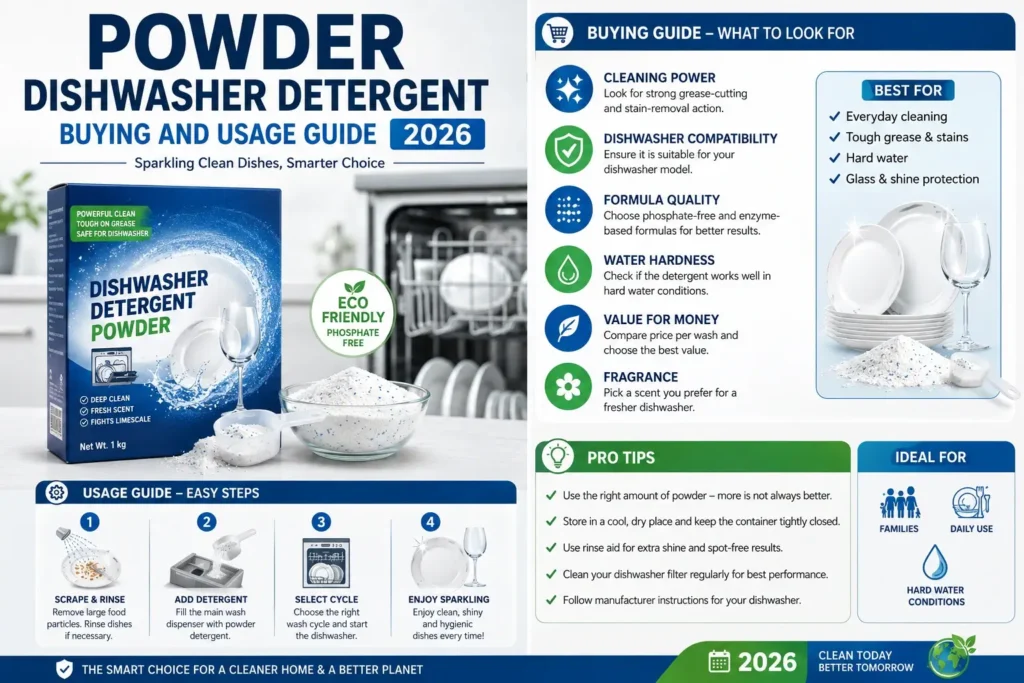
Powder dishwasher detergent is one of the most affordable and effective ways to get spotless dishes, and it remains a go-to choice for millions of American households. Whether you’re comparing Cascade powder dishwasher detergent, Seventh Generation dishwasher detergent powder, or a natural alternative, understanding how powder formulas work — and how to use them correctly — makes a real difference in your results. For homes dealing with mineral-heavy supplies, we also note practical picks for dishwasher detergent for hard water so you can choose confidently.
This guide covers everything: how powder dishwasher detergent works, how to use powder dishwasher detergent the right way, how it compares to pods and gel, and what separates the best powder dishwasher detergent options from the rest.

Table of Contents
What Is Powder Dishwasher Detergent?
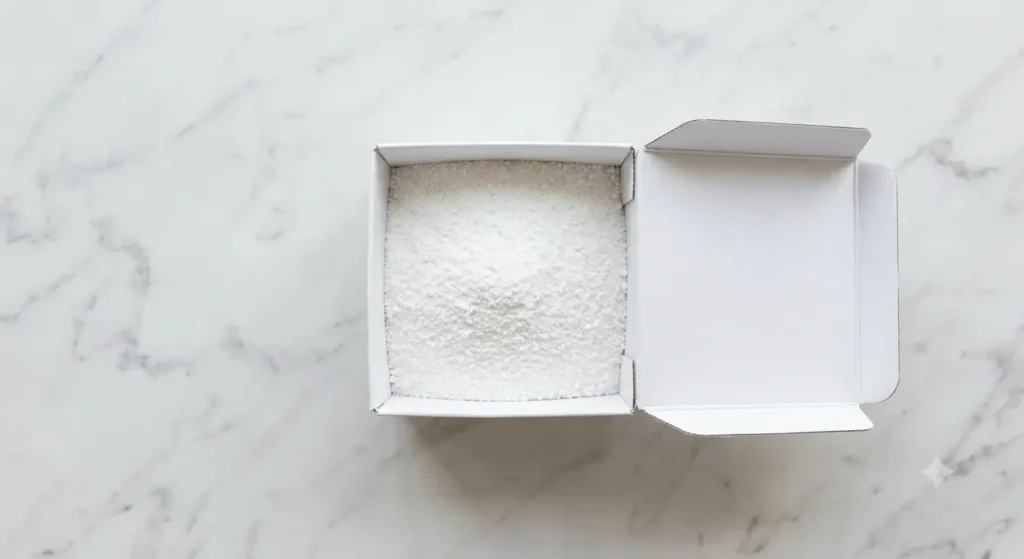
Powder dishwasher detergent is a dry, granular cleaning product designed specifically for use in automatic dishwashers. Unlike hand dish soap, it contains no sudsing agents — those would overflow your machine. Instead, it relies on a precise mix of alkaline salts, enzymes, and water-softening compounds to break down food, grease, and mineral deposits during the hot wash cycle.
Powder is the original dishwasher detergent format. It predates pods and gel by decades, and it remains popular because it’s typically the least expensive option per load, it stores well, and it gives you direct control over how much you use. That flexibility matters more than you might think — especially in homes with hard water or a lightly loaded dishwasher.
How Powder Dishwasher Detergent Works
When you add powder dishwasher detergent to the dispenser cup, the machine’s water jets dissolve it at the right moment in the wash cycle. Hot water activates the alkaline compounds, which raise the pH of the water and begin breaking apart grease and protein residue on your dishes.
Simultaneously, enzymes go to work on specific types of food soil. Protease enzymes target proteins like egg and meat. Amylase enzymes break down starches from pasta, rice, and sauces. This enzymatic action is what allows modern dishwasher detergent powder to clean effectively at lower water temperatures, which saves energy without sacrificing performance.
The wash water then carries the loosened soil down the drain. A rinse aid — either added separately or included in an all-in-one formula — helps water sheet off dishes cleanly, preventing spots and streaks as everything dries.

Key Ingredients and What They Do
Understanding what’s in your powder dishwasher detergent helps you make a smarter buying decision. Here’s what you’ll find in most formulas:
| Ingredient | Type | Function |
|---|---|---|
| Sodium carbonate (washing soda) | Mineral | Raises pH, cuts grease |
| Sodium percarbonate | Mineral | Oxygen-based stain removal and bleaching |
| Citric acid | Plant-derived | Softens water, prevents mineral scale |
| Sodium silicate | Mineral | Prevents corrosion, enhances cleaning |
| Protease enzyme blend | Plant-based | Breaks down proteins (egg, meat) |
| Amylase enzyme blend | Plant-based | Breaks down starches (pasta, rice) |
| Sodium sulfate | Mineral | Processing aid, improves powder flow |
| Sodium chloride (salt) | Mineral | Processing aid, water softening |
| Surfactant (e.g., C12-16 alcohols ethoxylated) | Plant-modified synthetic | Lifts grease and food from surfaces |
What to avoid: Many consumers today look for formulas that are phosphate-free. Phosphates were a standard dishwasher detergent ingredient for decades, but the EPA has linked excess phosphate runoff to algae blooms and oxygen-depleted water that harms aquatic ecosystems. Most U.S. states now restrict or ban phosphates in dishwasher detergents, and reputable brands have removed them entirely. When shopping, confirming the product is phosphate-free is still a worthwhile step.
Borax (sodium tetraborate) appears in some natural powder formulas and provides effective alkaline cleaning action. It’s a naturally occurring mineral compound, though some consumers prefer to avoid it due to ongoing debate about skin and respiratory sensitivity with prolonged handling.
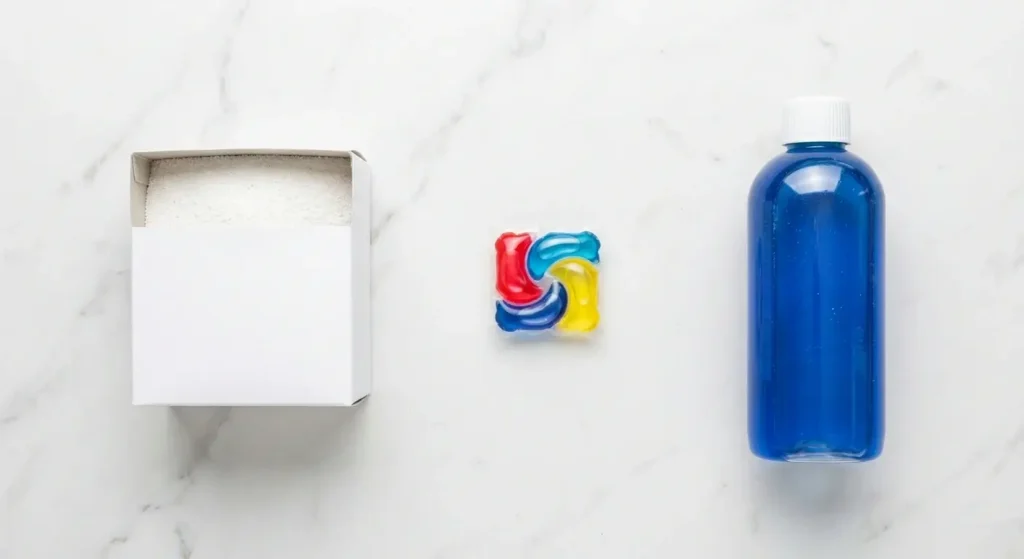
Powder vs. Pods vs. Gel: Which Format Is Right for You?
This is one of the most common questions homeowners ask when restocking their dishwasher supplies. Each format has real strengths and trade-offs.
| Format | Avg. Cost Per Load | Ease of Use | Dosage Control | Best For |
|---|---|---|---|---|
| Powder | $0.07–$0.18 | Moderate (measure yourself) | High | Budget-conscious households, hard water homes |
| Pods / Pacs | $0.22–$0.40 | Very easy (pre-measured) | None | Convenience-first households |
| Gel | $0.10–$0.20 | Easy | Moderate | Households without heavy baked-on food |
Powder advantages:
- Lowest cost per wash of any format
- Longest shelf life (stays effective for up to 12–18 months in dry storage)
- Adjustable dose — use less for a lightly soiled load, more for a full, heavily soiled one
- Better for households with extremely hard water (you can boost dose and add a separate rinse aid)
- Often available in eco-friendly, phosphate-free, and fragrance-free formulas
Powder disadvantages:
- Requires measuring and can leave residue if dispenser is wet
- Can clump in humid environments if packaging isn’t sealed well
- Some formulas lack the built-in rinse aid that pods often include
When pods make more sense: If you have children filling the dishwasher or simply don’t want to think about dosing, pods remove the guesswork entirely. They cost more per load, but the convenience is real.
When gel makes more sense: Gel is less likely to leave white powder residue in the dispenser cup, but it has a shorter shelf life once opened and doesn’t perform as well on dried, baked-on food.
For most homeowners looking to balance performance and value, powder dishwasher detergent remains the most practical everyday choice — especially if you’re also managing a budget-conscious kitchen renovation or upgrade.
Popular Powder Dishwasher Detergent Brands Compared
Several major brands dominate the powder dishwasher detergent category in the U.S., each with a slightly different formula and focus.
| Brand | Known For | Phosphate-Free | Best For |
|---|---|---|---|
| Cascade Powder | Strong grease-cutting, widely available | Yes | Everyday households, tough food residue |
| Cascade Complete Powder | Combines cleaning + rinse aid in one formula | Yes | Households wanting fewer separate products |
| Seventh Generation Dishwasher Detergent Powder | Plant-based enzymes, fragrance-free, Leaping Bunny certified | Yes | Households prioritizing natural ingredients |
| Finish Powder Dishwasher Detergent | Builds on Finish’s gel/tab technology in powder form | Yes | Households already using other Finish products |
Cascade powder dishwasher detergent has long been one of the most recognized names in the category, known for tackling heavily soiled dishes with enzyme-based cleaning power. Cascade Complete powder dishwasher detergent goes a step further by combining the core cleaning agents with a built-in rinse aid, which reduces spotting without requiring a separate product.
Seventh Generation dishwasher detergent powder takes a different approach, built around plant-based enzymes and a fragrance-free, dye-free formula. It’s Leaping Bunny certified and uses no chlorine bleach, making it a popular choice among households looking to reduce synthetic ingredients without sacrificing cleaning performance.
Finish powder dishwasher detergent, while less common than Finish’s gel and tab products, applies similar grease-cutting technology in powder form and works well for households that already trust the Finish brand for other dishwasher products.
When comparing these options, the right choice usually comes down to three factors: your water hardness, your sensitivity to fragrance or synthetic ingredients, and whether you want a built-in rinse aid or prefer to add one separately.
How to Use Powder Dishwasher Detergent Correctly
Getting the most from your powder dishwasher detergent comes down to a few key steps that many homeowners skip or do incorrectly.
Step 1 — Load your dishwasher properly first. Before you even think about detergent, make sure dishes are positioned with soiled surfaces facing the center spray arm. Overhanging items can block the dispenser door from opening during the cycle.
Step 2 — Check that the dispenser cup is dry. This is the most overlooked step. If the dispenser cup is wet from a previous cycle, powder can clump and fail to fully dissolve. Wipe it dry if needed before adding fresh detergent.
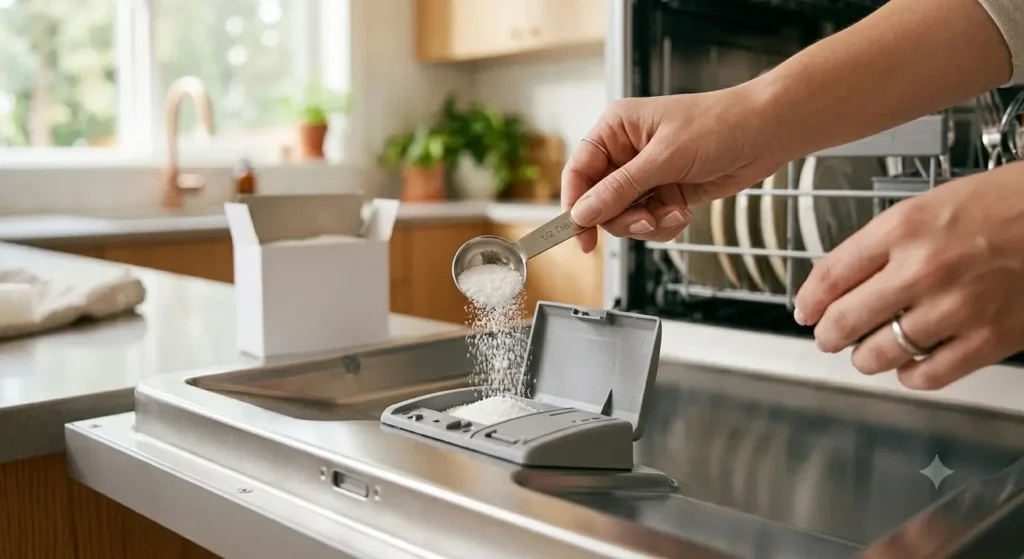
Step 3 — Fill the main dispenser cup. Pour the measured powder into the main wash dispenser — the enclosed compartment that pops open mid-cycle, not the pre-wash compartment. Most machines have both; the main cup is where your full dose goes.
Step 4 — Close the dispenser door firmly. It should click shut. If it doesn’t close properly, the detergent may release too early or not at all.
Step 5 — Select your cycle and start. For most everyday loads, a normal cycle is sufficient. Heavy-duty or pots-and-pans cycles use more water and higher temperatures, which can help powder perform better on stubborn residue.
For a deeper dive into keeping your entire machine running well, our guide on how to clean a dishwasher walks you through the full maintenance process step by step.
How Much Powder Should You Use?
There’s no universal answer — it depends on your water hardness, how full the load is, and what your machine’s manufacturer recommends. Here’s a practical starting framework:
| Load Type | Recommended Powder Amount |
|---|---|
| Light load, lightly soiled | 1 tablespoon |
| Normal load, average soil | 1.5–2 tablespoons |
| Heavy load, baked-on food | 2–3 tablespoons |
| Very hard water (any load) | Add an extra half tablespoon + rinse aid |
Most powder dishwasher detergent brands recommend 2 tablespoons per standard load. Fill the cup to the manufacturer’s marked line if one exists on your machine.
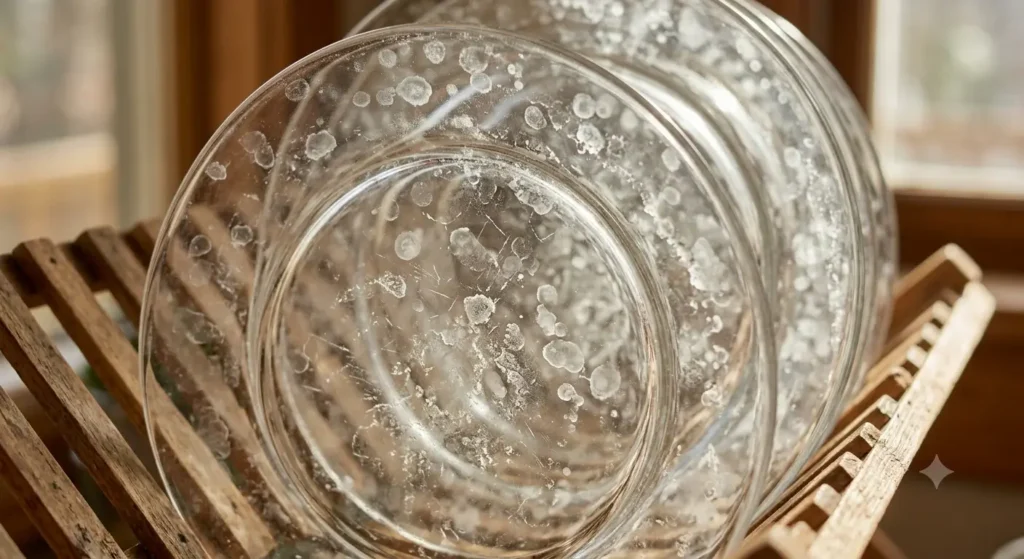
Important: Using more powder than necessary doesn’t always mean cleaner dishes. Too much detergent can leave a white, chalky film on glassware — a common complaint that’s usually attributed to hard water but is often a dosing issue.
Dishwasher Powder and Hard Water: What You Need to Know
Hard water is one of the biggest factors affecting how well any dishwasher detergent powder performs. Hard water is water with high concentrations of dissolved calcium and magnesium minerals. When these minerals interact with your detergent during the wash cycle, they can reduce cleaning effectiveness and leave white, cloudy deposits on dishes and glassware. If you’re evaluating dishwasher detergent for hard water specifically, prioritize products that highlight water-softening performance on the label.
According to the U.S. Geological Survey, approximately 85% of American homes have hard water to some degree — with the hardest water concentrated in the Southwest, Midwest, and Mountain West regions. If you live in Arizona, Texas, Nevada, Utah, or Illinois, there’s a good chance your water is on the harder end of the scale.
How to handle hard water with powder detergent:
Citric acid in powder formulas binds to calcium and magnesium ions and removes them from the water before they can deposit on your dishes — this is called chelation. Formulas with higher citric acid content or added sodium carbonate typically handle hard water better.
Adding white distilled vinegar to the rinse aid compartment is a well-known workaround that many homeowners swear by. The mild acidity counteracts mineral deposits left during the final rinse. Use about 1–2 ounces per cycle in the rinse aid dispenser — not poured directly into the tub, where it may neutralize your alkaline detergent too early.
A dedicated rinse aid product is even more effective for very hard water situations and is worth the small additional cost.
Natural and Eco-Friendly Powder Options
If you’re trying to reduce synthetic chemicals in your home, powder dishwasher detergent is one of the easier cleaning products to swap out for a greener alternative. Several mineral-based formulas on the market use four to five simple ingredients — typically washing soda, borax or citric acid, sea salt, and sometimes baking soda — with no dyes, fragrances, or synthetic surfactants.
These formulas tend to work best in moderate-hardness water. In very hard water areas, they may leave more mineral residue than conventional powder, which is where the white vinegar rinse aid trick becomes especially helpful.
What to look for in an eco-friendly powder:
- Phosphate-free (non-negotiable — look for this on any formula)
- Fragrance-free and dye-free
- Plant-derived or mineral-based ingredients
- Minimal packaging — cardboard over plastic where possible
- No chlorine bleach
The EPA’s Safer Choice program certifies cleaning products that meet strict safety and environmental standards. Looking for the Safer Choice label on a powder dishwasher detergent is one of the fastest ways to verify the formula has been reviewed for both human safety and environmental impact. You can search the EPA’s Safer Choice product database at to find certified dishwasher detergents before you shop.
If you’re also exploring non-toxic cleaning alternatives more broadly in your home, our article on non-toxic dishwasher detergent covers the full landscape of safer product categories and what to look for on labels. If you’d rather make your own cleaning mix at home, our guide to homemade dishwasher detergent walks through several DIY powder recipes that use common pantry ingredients.

How to Choose the Best Powder Dishwasher Detergent for Your Home
There’s no single best powder dishwasher detergent for every household — the right pick depends on your specific situation. Use this framework to narrow it down:
If you have hard water or are shopping for dishwasher detergent for hard water: Look for a formula with a higher concentration of citric acid or added sodium carbonate, and pair it with a separate rinse aid. Cascade and Seventh Generation both perform well here when paired with vinegar or a dedicated rinse aid in the rinse compartment.
If you want fewer synthetic ingredients: Seventh Generation dishwasher detergent powder or a mineral-based natural brand will be your best fit, since both avoid dyes, fragrances, and chlorine bleach.
If convenience matters most: Cascade Complete powder dishwasher detergent, with its built-in rinse aid, reduces the number of separate products you need to manage.
If budget is the top priority: Generic store-brand powder dishwasher detergent often uses similar core ingredients (sodium carbonate, citric acid, basic enzymes) at a lower price point, though it may lack the additional rinse aid or fragrance-free certification of name brands.
If you have a septic system: Choose a phosphate-free, chlorine-free, enzyme-based formula — most major brands, including Cascade and Seventh Generation, now qualify.
Whichever you choose, confirm it’s phosphate-free, store it properly, and dose it according to your water hardness for the best results.
Common Mistakes Homeowners Make
Even experienced homeowners make a few recurring mistakes with powder dishwasher detergent. Knowing them in advance saves frustration.
Mistake #1 — Putting powder in a wet dispenser cup. Powder clumps on contact with moisture and may not dissolve properly, leaving residue inside the machine or on dishes. Always check the cup is dry before loading.
Mistake #2 — Storing powder in a humid location. Under the sink or near a steam source causes powder to absorb ambient moisture, clump in the box, and lose effectiveness over time. Store it in a cool, dry cabinet — ideally in a sealed container after opening.
Mistake #3 — Overfilling the dispenser cup. More powder doesn’t equal more clean. Overfilling can cause the door to jam, detergent to spill prematurely, or a film to develop on dishes. Follow the dosage guide on the packaging.
Mistake #4 — Blocking the dispenser door. A long spatula, baking sheet, or overhanging bowl on the bottom rack can prevent the dispenser from opening mid-cycle. Your dishes will come out dirty, and the detergent will just sit in the locked cup. Always check for clearance before running the machine.
Mistake #5 — Using powder in a visibly dirty machine. If your dishwasher interior has a buildup of hard water deposits, grease, or mold, even the best detergent won’t clean your dishes well. Run a cleaning cycle first. Our step-by-step guide to how to clean a dishwasher covers exactly what to do.
Mistake #6 — Washing silver and stainless steel together. This is called galvanic corrosion. When silver and stainless steel are washed in the same load, an electrochemical reaction can cause discoloration on both. Always wash them in separate loads.
Expert Tips for Better Results
These practical tips go beyond the basics and can meaningfully improve your results over time.
Run hot water at the faucet before starting the dishwasher. This clears the cold water sitting in your pipes and ensures the machine begins filling with hot water from the first second. It makes a real difference in how well both enzymes and alkaline compounds activate.
Don’t pre-rinse aggressively. Modern dishwasher detergents — especially those with enzyme blends — actually need some food soil to work. Enzymes perform better when they have something to break down. Scrape large chunks of food off, but don’t pre-wash with soap. Sparkling-clean dishes going into the machine can paradoxically result in less effective cleaning because some enzyme formulas need organic matter to activate properly.
Use the heated dry setting sparingly. If you’re trying to reduce energy use, skip the heated dry cycle and open the door a crack when the wash cycle ends. Dishes air dry quickly and you protect your glassware from the thermal stress of repeated heat-drying cycles.
Match your cycle to your load. Use the heavy-duty cycle only for pots, pans, and casserole dishes. Running everything on heavy doesn’t clean better — it uses more water and more energy, and it can contribute to glassware etching over time. According to the U.S. Department of Energy, ENERGY STAR-certified dishwashers use an average of 3.5 gallons per cycle compared to 27 gallons for hand-washing — the gains are real, but only if you’re running efficient cycles.
Check your water temperature. Most dishwashers work best with an incoming water temperature of 120°F. If your water heater is set lower, detergent enzymes won’t activate as effectively. The U.S. DOE recommends setting your water heater to 120°F, which balances cleaning effectiveness with scalding risk prevention and energy efficiency. You can verify this setting by running your hot water tap and testing the temperature with a cooking thermometer.
If you’re thinking more broadly about kitchen efficiency, our kitchen interior design ideas guide also touches on appliance placement and workflow improvements that pair well with a smarter dishwasher routine.
Safety and Storage
Powder dishwasher detergent is a concentrated cleaning product and should be treated accordingly — especially in homes with children or pets.
Storage safety:
- Keep in original packaging or a clearly labeled, sealed container
- Store out of reach of children and pets — in a high cabinet or locked storage
- Do not store near food or in warm, damp locations
- Keep away from eyes and direct skin contact — wear gloves when handling concentrated powder regularly
In case of contact:
- Eyes: Rinse immediately with water for 15–20 minutes and seek medical advice if irritation persists
- Skin: Wash thoroughly with soap and water
- Ingestion: Do not induce vomiting; contact Poison Control at 1-800-222-1222 immediately
The Consumer Product Safety Commission (CPSC) notes that laundry and dishwasher detergent products — particularly concentrated unit-dose pods — are among the leading causes of household chemical exposure incidents for children under 6. Powder in a box is generally less appealing to children than colorful pods, but the same storage discipline applies. Keep it locked away and never leave the open box within reach of a child.
Key Takeaways
- Powder dishwasher detergent is the most affordable format per load and gives you the most control over dosing.
- Always add powder to a dry dispenser cup — moisture causes clumping and poor dissolution.
- Use 1.5–2 tablespoons for a normal load; adjust up for hard water or heavy soil.
- Hard water (found in ~85% of U.S. homes) reduces detergent effectiveness — citric acid in the formula and white vinegar in the rinse aid compartment both help.
- Cascade, Cascade Complete, Seventh Generation, and Finish all offer phosphate-free powder formulas with distinct strengths.
- Don’t pre-rinse dishes aggressively — enzyme-based formulas need some food soil to activate.
- Store powder in a cool, dry location, out of reach of children.
- Running hot water at the tap before starting the machine improves detergent performance from the first cycle.
FAQs
What is powder dishwasher detergent made of?
Most powder dishwasher detergent is made from a combination of mineral compounds and enzymes. Common ingredients include sodium carbonate (washing soda) for alkaline cleaning, sodium percarbonate for stain removal, citric acid for water softening, and enzyme blends — protease for proteins and amylase for starches — to break down food residue. Modern formulas are phosphate-free.
Is powder dishwasher detergent better than pods?
It depends on your priorities. Powder is less expensive per load, gives you full control over dosage, and stores longer. Pods are more convenient and pre-measured, but cost more. For households dealing with hard water or on a tight budget, powder is often the better choice. For households that value simplicity above all, pods win.
How does Cascade powder dishwasher detergent compare to Seventh Generation?
Cascade powder dishwasher detergent is built for strong grease-cutting performance and is widely available, while Seventh Generation dishwasher detergent powder focuses on plant-based enzymes and a fragrance-free, dye-free formula. Both are phosphate-free. Cascade tends to perform slightly better on heavily baked-on food, while Seventh Generation appeals to households prioritizing fewer synthetic ingredients.
Is Finish powder dishwasher detergent different from their gel or tabs?
Yes. Finish powder dishwasher detergent uses the same core grease-cutting technology as the brand’s gel and tab products but in a loose powder format, which allows for adjustable dosing rather than a fixed pre-measured amount.
What is the best powder dishwasher detergent for hard water?
Look for a formula with a strong citric acid concentration, which helps chelate calcium and magnesium minerals before they deposit on dishes. Pairing any powder detergent with a dedicated rinse aid or a small amount of white vinegar in the rinse compartment significantly improves results in hard water areas.
Why is my dishwasher powder not dissolving?
The most common reasons are a wet dispenser cup (moisture causes clumping), a blocked dispenser door that can’t open mid-cycle (check for overhanging dishes), or water temperature that’s too low (below 110°F can prevent proper dissolution). Check all three before assuming there’s a problem with the product itself.
How do I use powder dishwasher detergent correctly?
Load your dishwasher first, make sure the dispenser cup is completely dry, fill it with the recommended amount (typically 1.5–2 tablespoons for a normal load), close the dispenser door firmly until it clicks, and select the appropriate cycle. Running hot water at the faucet beforehand also improves results.
How should I store powder dishwasher detergent?
In a cool, dry location away from humidity. The original box works well if you fold the top closed tightly after each use. A sealed plastic or glass container is even better for long-term freshness. Avoid storing under the sink if that area has high humidity from plumbing.
Is powder dishwasher detergent safe for septic systems?
Phosphate-free and enzyme-based powders are generally considered septic-safe, as the ingredients are biodegradable and won’t disrupt the bacterial balance in a septic tank. If you have a septic system, look specifically for products labeled “septic-safe” and avoid any that contain chlorine bleach, which can kill beneficial septic bacteria.
Conclusion
Powder dishwasher detergent is a practical, affordable, and flexible cleaning choice that works well for the vast majority of American households. Whether you choose Cascade, Cascade Complete, Seventh Generation, Finish, or a natural mineral-based formula, the key to getting great results is understanding how the product works — using the right amount, keeping the dispenser dry, matching your cycle to your load, and accounting for your water’s hardness level.
If you’ve been disappointed with cloudy glassware, residue, or dishes that don’t feel truly clean, the issue is almost always one of the factors covered in this guide — water temperature, dosage, or hard water chemistry — rather than the product itself. Small adjustments make a noticeable difference from the very next cycle. With the right powder dishwasher detergent and a few simple habits, spotless dishes become the default, not the exception.
About the Author
Home Tweakz Team — Home Improvement & Interior Design Experts. The Home Tweakz Team is a dedicated group of home improvement, interior design, and DIY specialists helping American homeowners create beautiful, functional, and budget-friendly living spaces. With years of hands-on experience across modern decor, space planning, furniture selection, and wall styling, our team delivers practical, thoroughly tested advice you can trust and implement immediately.
Website: hometweakz.com