

Easy Furniture Upcycling: Turning Old Pieces into Modern Decor (2026 Complete Guide)
Easy furniture upcycling is one of the most rewarding, sustainable, and creative home improvement activities you can do in 2026. The idea is simple but powerful: instead of throwing away old, tired, or outdated furniture, you transform it into something beautiful and modern through painting, reupholstering, refinishing, or creative repurposing. Easy furniture upcycling saves money, reduces waste, and produces pieces with character and story that you simply can’t buy in a furniture shop. According to The Spruce, upcycling furniture is one of the most effective ways to refresh your home on a budget.
This complete furniture upcycling guide covers everything you need to know — from essential tools and techniques to 8 specific project ideas with step-by-step instructions for beginners and experienced crafters alike. Whether you’re working with a battered old dresser, a set of mismatched dining chairs, or a solid wood coffee table that needs a modern update, this guide has an easy furniture upcycling solution for you.
For more DIY home transformation ideas, check out our guide on How to Paint Kitchen Cabinets Like a Pro and our Modern Living Room Decor Ideas.
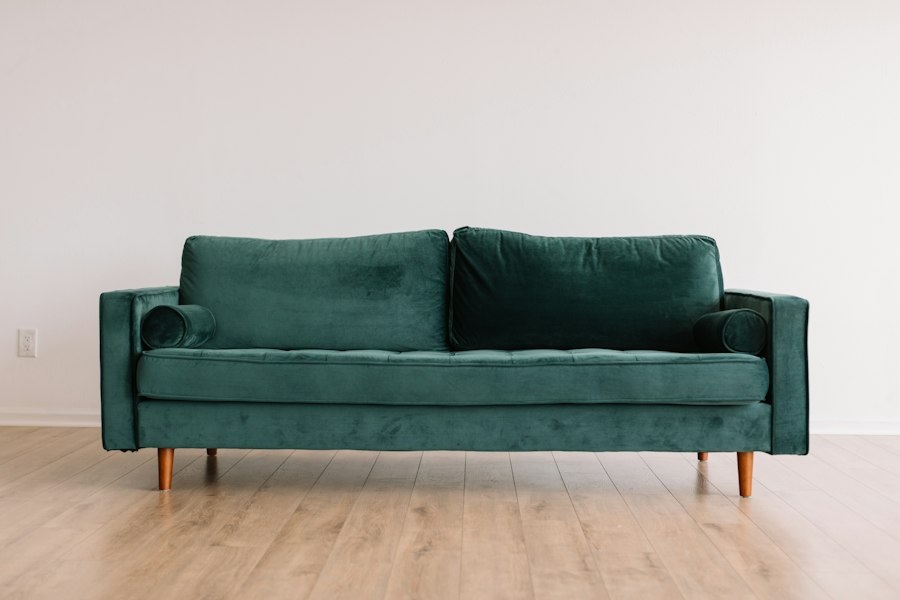
The magic of easy furniture upcycling — an old, forgotten piece transformed into a stunning modern decor statement
📋 Table of Contents
- Why Easy Furniture Upcycling Is the Smartest Home Trend of 2026
- Essential Tools & Supplies for Furniture Upcycling
- The 5 Core Furniture Upcycling Techniques
- Project 1 — Chalk Paint Dresser Transformation
- Project 2 — Reupholstered Dining Chairs
- Project 3 — Stained & Modernized Coffee Table
- Project 4 — Decoupage Side Table
- Project 5 — New Legs Transformation
- Project 6 — Ombre Painted Bookshelf
- Project 7 — Industrial Pipe & Wood Bench
- Project 8 — Mirror-Fronted Cabinet Upcycle
- Where to Find Furniture to Upcycle
- Frequently Asked Questions
- Conclusion
1. Why Easy Furniture Upcycling Is the Smartest Home Trend of 2026
The easy furniture upcycling movement has exploded in 2026 — driven by sustainability awareness, rising furniture prices, a creative culture that values individuality, and the booming DIY community on social media. Here’s why furniture upcycling is the most intelligent approach to home decor this year.
- Massive cost savings: An upcycled vintage dresser can be transformed for $30–$80 in paint and supplies — the same piece new from a retailer would cost $400–$1,200
- Environmental impact: Every piece of furniture upcycled is one less piece in a landfill — and one less piece of new furniture manufactured
- Unique, one-of-a-kind results: No two upcycled pieces are identical — your home gets truly original furniture that reflects your personality
- Better quality than new: Older furniture — particularly pieces made before the 1990s — was often made from solid wood, dovetail joints, and quality materials far superior to today’s flat-pack alternatives
- Creative fulfillment: The transformation process itself is deeply satisfying — and the pride of living with something you created is priceless
2. Essential Tools & Supplies for Furniture Upcycling
Your Starter Kit for Easy Furniture Upcycling
| Tool/Supply | Used For | Approximate Cost |
|---|---|---|
| Sandpaper (80, 120, 220 grit) | Surface prep for all projects | $5–$10 |
| Chalk paint | Painting without extensive prep | $20–$40 per tin |
| Wax or water-based topcoat | Sealing and protecting chalk paint | $15–$25 |
| Quality brushes (2″ flat + 1″ detail) | Painting, decoupage, waxing | $10–$20 |
| Wood filler | Repairing holes and dents | $8–$12 |
| Screwdriver set | Removing and replacing hardware | $10–$20 |
| Staple gun + staples | Reupholstering seats and panels | $20–$35 |
| Wood stain or varnish | Refinishing and enhancing wood grain | $15–$30 |
| Furniture legs (replacement set) | Modernizing old pieces instantly | $25–$60 per set |
| New hardware (knobs, handles) | Finishing touch on any painted piece | $15–$50 |
3. The 5 Core Furniture Upcycling Techniques
Before diving into specific projects, here’s a quick overview of the five core techniques that cover the vast majority of easy furniture upcycling work.
- Painting: The most popular furniture upcycling technique — transforms color and style of any wood, MDF, or laminate piece. Chalk paint is the easiest for beginners; enamel paint gives the most durable finish
- Staining & Refinishing: For wood pieces with beautiful grain — sanding back to bare wood and applying a new stain color updates the piece while celebrating the natural material
- Reupholstering: Replacing fabric on chair seats, headboards, and bench cushions — transforms worn, dated upholstery with fresh, modern fabric
- Decoupage: Applying paper, fabric, or decorative napkins to surfaces with decoupage medium — creates pattern and texture on flat surfaces with minimal skill required
- Hardware & Leg Replacement: Simply swapping out handles, knobs, or legs can transform a piece from dated to designer-quality without any painting at all
4. Project 1 — Chalk Paint Dresser Transformation
🪵 Chalk Paint Dresser Transformation
⭐ Easy — Perfect for BeginnersThis is the ultimate gateway project for easy furniture upcycling. Chalk paint was invented specifically for furniture upcycling — it adheres to almost any surface with minimal preparation, dries quickly, and produces a beautiful matte finish that can be waxed to any sheen level.
What You Need
- Old dresser or chest of drawers — any material
- Chalk paint in your chosen color (sage green, dusty blue, and warm white are top 2026 choices)
- Clear or dark furniture wax
- 2″ chalk paint brush or foam roller
- 120-grit sandpaper (light prep only)
- New drawer knobs or handles
Step-by-Step Process
- Remove all drawer handles and knobs
- Lightly sand the entire piece with 120-grit to remove any loose paint or varnish — chalk paint doesn’t require full stripping
- Wipe clean with a damp cloth and allow to dry completely
- Apply the first coat of chalk paint using a brush — work in the direction of the wood grain and don’t over-brush. The first coat will look patchy — this is normal
- Allow to dry (30–60 minutes for chalk paint)
- Apply the second coat — this should achieve full, even coverage
- Once fully dry, apply furniture wax using a brush or cloth in circular motions — buff with a clean cloth for a smooth, silky finish
- Install new hardware — this is the finishing touch that elevates the piece from DIY to designer
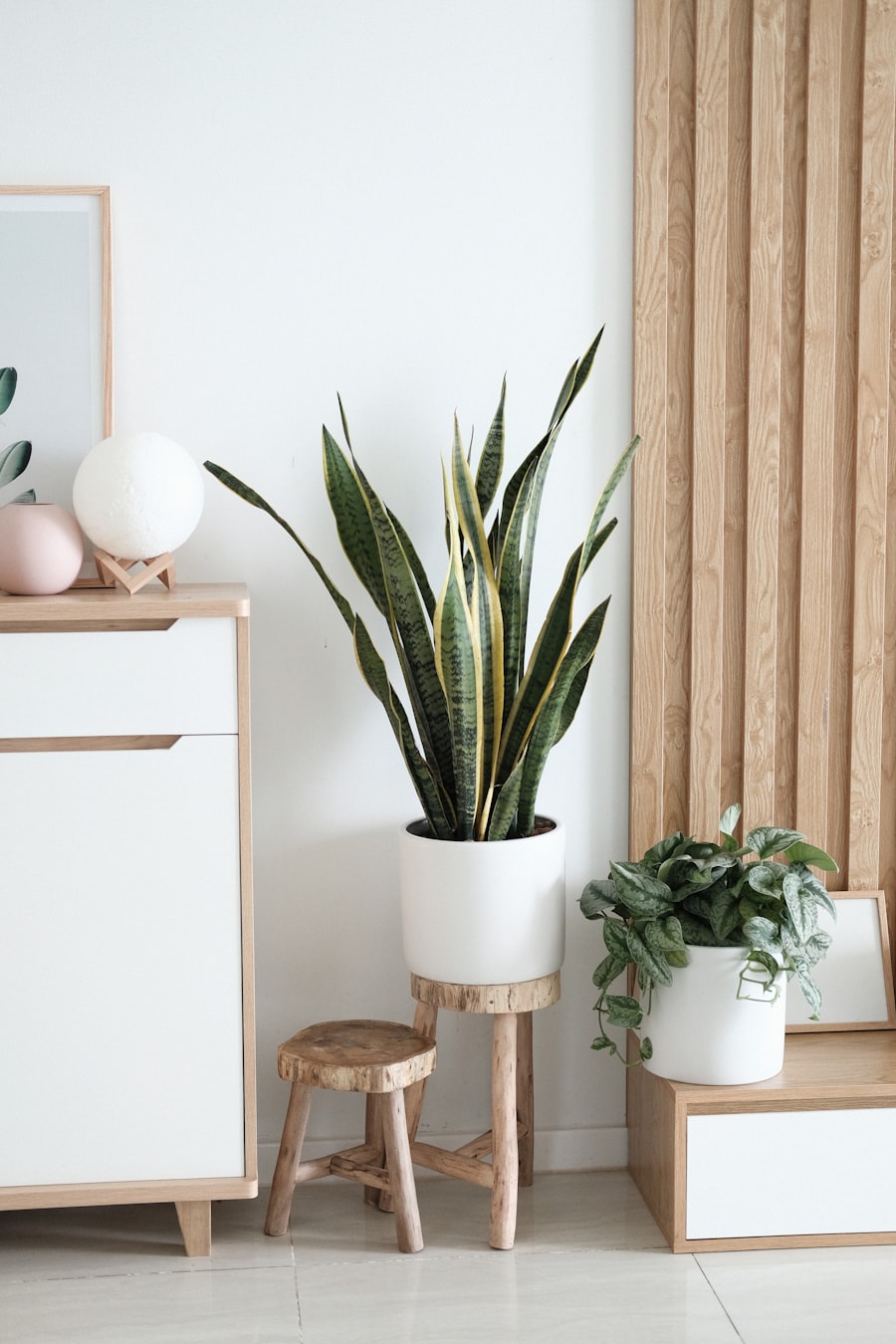
A chalk paint dresser transformation — one of the most popular easy furniture upcycling projects for 2026
5. Project 2 — Reupholstered Dining Chairs
🪑 Reupholstered Dining Chair Seats
⭐ Easy — No Sewing RequiredDining chairs with tired, stained, or outdated fabric are one of the most common targets for easy furniture upcycling. Reupholstering drop-in chair seats requires no sewing skills — just a staple gun, fabric, and 15 minutes per chair.
Step-by-Step Process
- Turn the chair upside down and unscrew the seat pad from the frame — most drop-in seats are held by 4 screws from underneath
- Remove the old fabric by pulling out the staples with pliers or a flathead screwdriver
- If the foam cushioning is compressed or damaged, replace it — new foam can be cut to size at most fabric stores
- Cut new fabric about 10cm larger than the seat on all sides — this gives you enough to fold under and staple
- Place the fabric face-down on a flat surface, put the seat foam-side down on top
- Pull the fabric taut on one side and staple every 3–4cm along the edge — work from center outward on each side
- Fold corners neatly (like wrapping a present) and staple flat
- Reattach the seat to the chair frame — transform the chair legs with a quick coat of paint for a complete furniture upcycling makeover
6. Project 3 — Stained & Modernized Coffee Table
☕ Coffee Table Stain & Modernize
⭐⭐ IntermediateA solid wood coffee table with good bones but an outdated honey-pine or orange-toned varnish is ideal for easy furniture upcycling via restaining. Sanding back to bare wood and applying a new stain color — dark walnut, ebony, or grey-washed — completely transforms the piece into something that looks modern and expensive.
Step-by-Step Process
- Sand the table top and sides thoroughly with 80-grit to remove the old varnish — work with the grain
- Progress to 120-grit, then 220-grit for a silky smooth surface
- Wipe clean with a tack cloth — remove every particle of sawdust
- Apply wood stain with a cloth or brush, working in sections — wipe off excess after 5 minutes for a lighter shade, or leave longer for deeper penetration
- Allow to dry fully (check the product’s recommended time)
- Apply a second stain coat if deeper color is desired
- Seal with 2–3 coats of water-based varnish, sanding lightly between coats with 320-grit
- Optional: Replace the table’s legs with modern hairpin legs for an instant mid-century modern transformation
7. Project 4 — Decoupage Side Table
🎨 Decoupage Side Table
⭐ Easy — Perfect Creative ProjectDecoupage is one of the most creative and accessible easy furniture upcycling techniques. It involves adhering paper, fabric, or decorative tissue to a surface with decoupage medium, then sealing with additional coats for a smooth, durable finish.
Step-by-Step Process
- Clean and lightly sand the table surface
- Apply a base coat of paint if desired (chalk paint works beautifully as a base)
- Choose your decoupage material: vintage maps, botanical illustrations, music sheets, decorative napkins, or wrapping paper all work beautifully
- Brush a thin, even coat of decoupage medium (Mod Podge is the most popular) onto the table surface
- Carefully place your chosen paper onto the surface and smooth out air bubbles from the center outward using your fingertips or a flat brush
- Apply 2–3 additional coats of decoupage medium over the top, allowing each coat to dry completely
- Finish with a coat of clear varnish for maximum durability and protection against spills
8. Project 5 — New Legs Transformation
🦵 The Leg Swap: Instant Modern Makeover
⭐ Very Easy — Maximum Impact, Minimum EffortOne of the most underrated easy furniture upcycling tricks is simply replacing a piece’s legs. Changing stubby, wooden block legs for sleek hairpin legs, mid-century tapered legs, or modern metal legs can completely transform the style of a dresser, sofa, bed frame, or coffee table — in under an hour.
- Hairpin legs: Available in multiple heights and finishes (black, copper, gold) — add instant mid-century modern appeal to any flat-bottomed piece
- Tapered wood legs: Classic mid-century Danish-style legs — pair beautifully with painted or stained dressers and sideboards
- Angled metal legs: Sleek and contemporary — ideal for modern Scandinavian or minimalist interiors
- Bun feet: Classic, turned bun feet add traditional farmhouse or country style to painted dressers
Installation is typically straightforward — most furniture legs attach via threaded inserts or simple screw plates that mount to the underside of the furniture. No specialist tools required for most furniture upcycling leg swap projects.
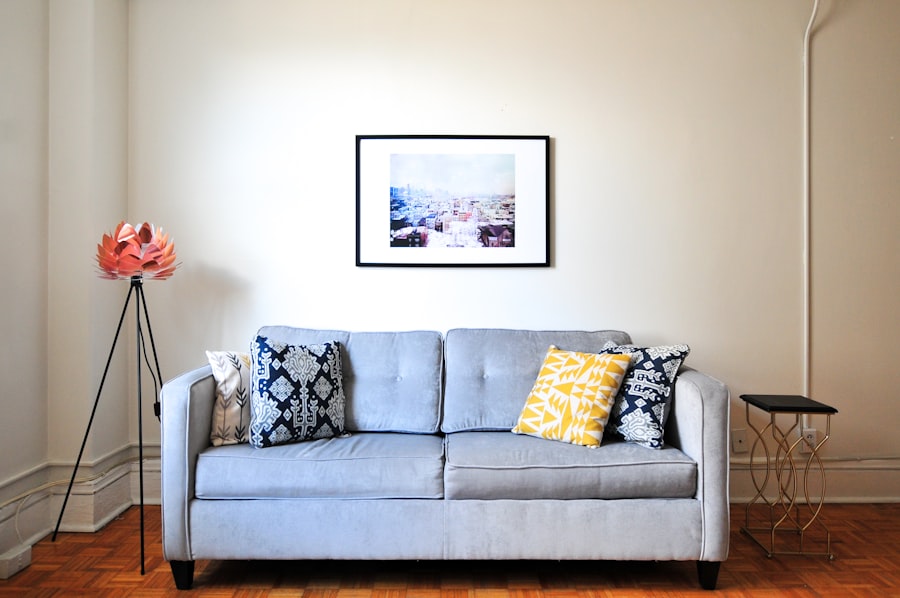
New hairpin legs on an old dresser — one of the quickest and most effective easy furniture upcycling transformations
9. Project 6 — Ombre Painted Bookshelf
📚 Ombre Painted Bookshelf
⭐⭐ Intermediate — Stunning ResultsAn ombre-painted bookshelf is one of the most visually striking easy furniture upcycling projects — and it’s more achievable than it looks. The technique involves blending from one color (typically a darker shade at the bottom) gradually to a lighter shade or white at the top.
- Remove all shelves and sand the entire bookshelf with 120-grit paper
- Apply a light coat of primer to the entire piece
- Mix 3–4 shades of your chosen color — for example, from deep navy at the bottom through mid-blue, light blue, to white at the top
- Starting at the bottom, paint the darkest shade on the first two shelves and the lower portion of the sides
- While still wet, blend the next shade into the first using a dry brush in short, feathery strokes — the wet edges should merge
- Continue blending each shade upward until you reach the top with the lightest shade
- Apply a second coat once dry, blending the same way — the second coat creates depth and richness
10. Where to Find Furniture to Upcycle
Half the joy of easy furniture upcycling is the hunt for the perfect piece. Here are the best sources for finding furniture with great potential.
| Source | Best For | Price Range | Tips |
|---|---|---|---|
| Charity shops / Thrift stores | Solid wood pieces, chairs | $5–$60 | Visit mid-week for best stock |
| Facebook Marketplace / Gumtree | All types, often free | $0–$100 | Search “free” category first |
| Car boot sales / Yard sales | Bargain vintage pieces | $2–$40 | Arrive early for best picks |
| Skip / Dumpster diving (legal) | Free furniture, often solid | Free | Check local regulations first |
| Antique & vintage markets | High-quality vintage pieces | $20–$200 | Best quality wood pieces here |
| Your own home | Pieces you already own | Free | Look with fresh eyes at what you have |
11. Frequently Asked Questions
A: For beginners, the best easy furniture upcycling projects start with pieces that have flat, accessible surfaces — a wooden side table, a dresser, or a simple chair with a drop-in seat pad. These pieces require minimal technical skill and respond beautifully to chalk paint, which is the most forgiving painting medium for first-time upcyclers. Avoid upholstered pieces with complex shapes or antiques with intricate carving for your first few projects.
A: One of the biggest advantages of chalk paint in furniture upcycling is that it typically doesn’t require extensive sanding or priming. A light sand with 120-grit to remove any flaking or peeling areas, and a clean surface, is usually sufficient. However, for a very smooth finish on a glossy lacquered piece, a more thorough sand is recommended to give the chalk paint something to grip.
A: After painting, all upcycled furniture should be sealed to protect the finish. For chalk-painted pieces, furniture wax (applied with a brush or cloth and buffed off) provides a beautiful soft-sheen protection. For enamel or regular paint, a water-based varnish or polycrylic topcoat in your chosen sheen level (matte, satin, or gloss) provides excellent protection. High-traffic pieces like tables and chairs should always have a topcoat applied after painting.
A: Yes — laminate furniture can be upcycled beautifully. The key difference is that laminate is non-porous and slippery, so adhesion is more challenging. The best approach for laminate furniture upcycling is: thorough cleaning, sanding with 120-grit to scuff the surface, applying a shellac-based primer (like Zinsser BIN) which bonds to laminate reliably, and then applying your chosen topcoat paint. Chalk paint without primer can also work on laminate in some cases, though results are less reliable than with proper priming.
A: In almost every case, yes — significantly cheaper. The typical easy furniture upcycling project costs $30–$100 in supplies to transform a piece that would cost $300–$1,500 to replace with a new equivalent. The savings are even greater when you consider that older solid wood furniture is structurally superior to most modern flat-pack alternatives — you’re getting better quality for a fraction of the cost.
12. Conclusion: Start Your Easy Furniture Upcycling Journey Today
Easy furniture upcycling is more than a creative hobby — it’s a genuinely smart approach to home design that saves money, reduces environmental impact, and fills your home with unique, story-rich pieces that mass-produced furniture simply can’t replicate. Whether you start with a simple chalk paint dresser transformation or graduate to a full decoupage side table or reupholstered chair set, every furniture upcycling project teaches you new skills and builds confidence for the next one.
- ✅ Start with a solid wood piece in good structural condition
- ✅ Chalk paint is the most beginner-friendly medium for any first furniture upcycling project
- ✅ Always clean and lightly sand before applying any paint or finish
- ✅ New hardware transforms a painted piece from good to stunning
- ✅ Seal all painted furniture with wax or varnish for lasting durability
- ✅ Source pieces from charity shops, Facebook Marketplace, and car boots for maximum value
- ✅ Don’t be afraid of imperfection — character is what makes upcycled furniture beautiful
For more creative home transformation guides, explore our full range of DIY and decor articles at HomeTweakz — your ultimate home styling destination for 2026.