By Home Tweakz Team | Last Updated: 2026
Introduction
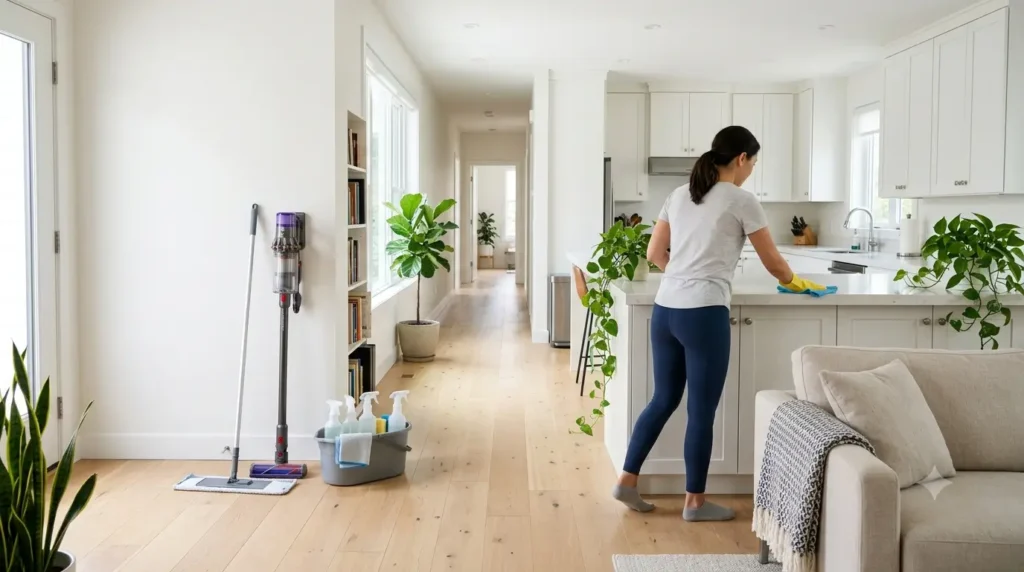
How to clean a house doesn’t have to be complicated. The key is to follow a simple cleaning order that saves time and avoids extra work. Start by putting away clutter, then clean each room from top to bottom. Dust shelves, light fixtures, and furniture first, wipe down surfaces next, and finish by vacuuming or mopping the floors. This method helps prevent dust from falling onto freshly cleaned areas and makes the job much more efficient.
– “Improve it “step-by-step advice. It includes tips for decluttering before you start cleaning, a full-house cleaning checklist, and a simple home maintenance schedule. Additionally, it offers spring cleaning tips. It also shares natural DIY cleaning solutions. It explains typical costs for hiring a professional cleaner. This is helpful if you prefer to outsource the work.
We’ve put together this system after years of cleaning real homes — apartments, family houses, and rentals between tenants. It’s built to work whether you’re doing a 30-minute tidy-up or a full seasonal deep clean.
Table of Contents
Search Intent & Who This Guide Is For
This guide is designed primarily to support informational search intent, with a secondary commercial focus for readers comparing DIY cleaning with hiring a professional. It’s intended for homeowners and renters who want a repeatable system—not a one-time checklist—whether you’re establishing a routine for the first time, preparing for spring cleaning, or estimating the cost of outsourcing a full house cleaning.
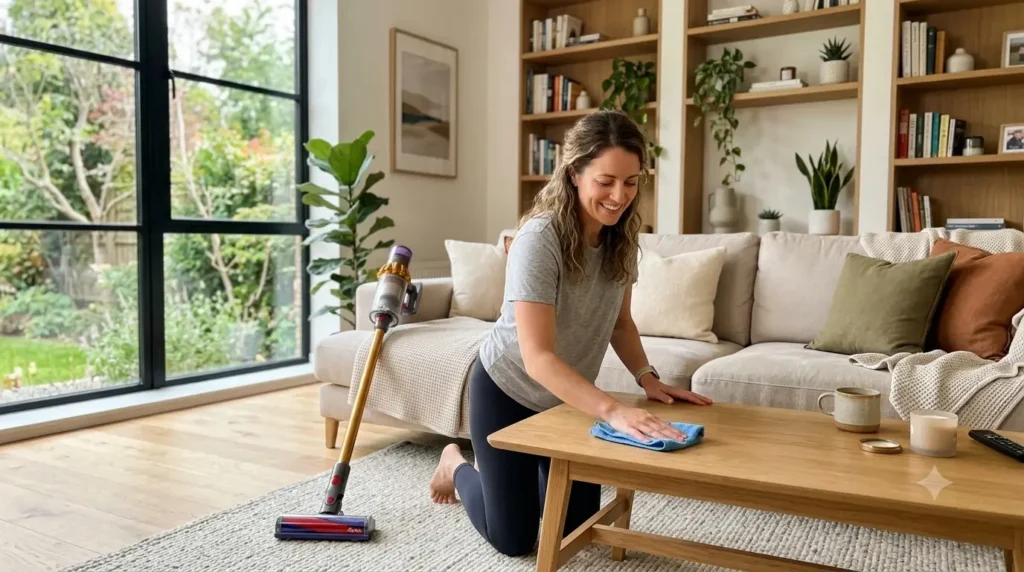
How to Declutter Your Home Before You Clean
Tidying around piles of clutter takes time and still doesn’t feel truly finished. Learning how to declutter your home is the first meaningful step in any effective cleaning routine, not an optional extra. A simple room-by-room decluttering method:
- Pick one room at a time. Trying to declutter the whole house in one pass leads to half-finished piles everywhere.
- Sort into four categories: Keep, Donate, Trash, Relocate (items that belong in another room).
- Use the one-year rule. If you haven’t used or worn something in over a year, it’s a strong candidate for donation or tossing.
- Clear flat surfaces first — counters, tables, and nightstands make the biggest visual difference.
- Deal with paper clutter immediately. Mail, receipts, and documents pile up faster than almost anything else in a home.
- Set a 15-minute timer per room if you’re prone to overthinking each item.
Why this matters for E-E-A-T and results: A decluttered space can take about half the time to clean. You can wipe each surface without stopping to move items out of the way. Homeowners who declutter before their weekly clean consistently report shorter cleaning sessions.

Cleaning Supplies You’ll Actually Need
A comprehensive cleaning kit covers almost every surface in a typical home—you don’t need 40 different products.
Core supplies:
- Microfiber cloths (6–8, color-coded by room)
- All-purpose cleaner
- Glass cleaner
- Disinfecting spray or wipes
- Dish soap (also useful for general surface cleaning)
- Baking soda and white vinegar (for DIY cleaning solutions)
- A vacuum with a hose attachment
- Toilet brush and bowl cleaner
- Rubber gloves
- Trash bags
Buying these upfront prevents the mid-clean store run that derails most cleaning sessions.
The Top-to-Bottom Cleaning Rule
This is the core principle for cleaning a house efficiently: always clean from top to bottom, from the back to the front of each room, and finish with the floor.
Dust and debris fall downward. Vacuum first, and you’ll be vacuuming again after dusting shelves above. The correct order:
- Dust ceiling fans, light fixtures, and cobwebs.
- Wipe shelves, picture frames, and furniture tops.
- Wipe down mirrors, windows, and glass surfaces.
- Wipe counters and appliances.
- Clean sinks, tubs, and toilets.
- Vacuum carpets and rugs.
- Mop hard floors last.
How to Deep Clean a House Room by Room
A deep clean goes beyond the weekly wipe-down — it’s the seasonal or move-in/move-out level clean that resets every room.
Kitchen Deep Clean
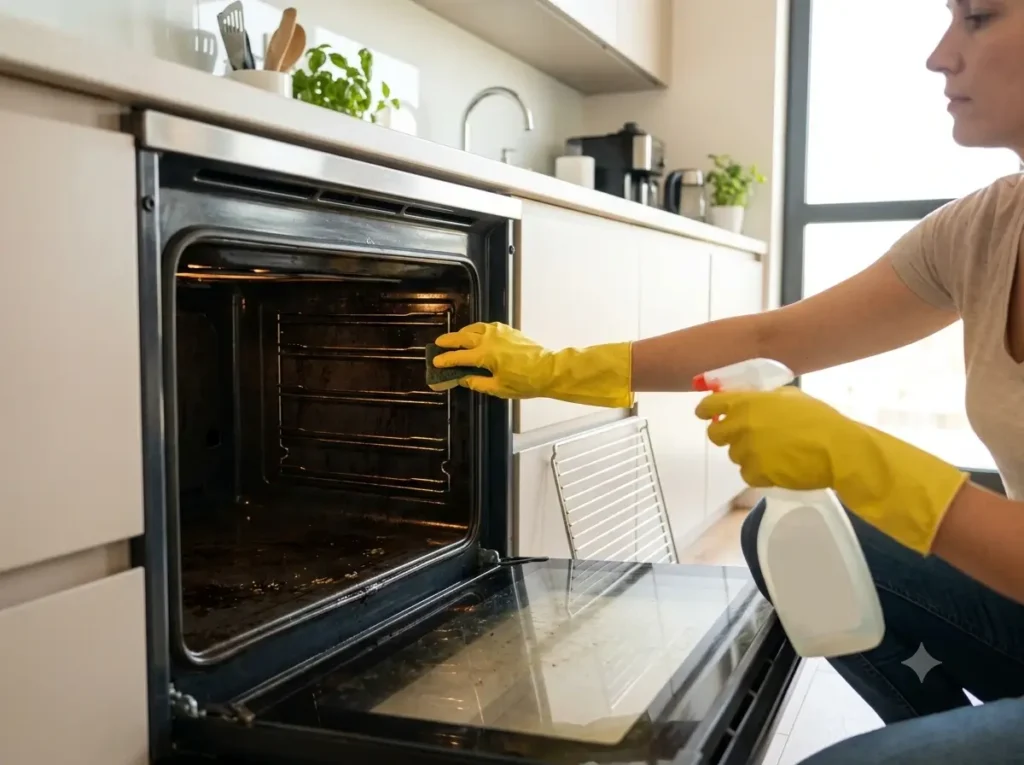
. Empty the refrigerator and wipe down the interior; Dispose of any expired items. Clean the inside of the oven, including the glass door. Degrease the range hood and clean or replace the filters as necessary.
- 4. Move small appliances (such as the toaster and coffee maker) and wipe down the countertops underneath them (Grammarly, 2026). Clean the inside of the cabinets and wipe the shelf liners.
- Scrub grout on backsplash tile.
- Wipe baseboards and light switches.
Bathroom Deep Clean
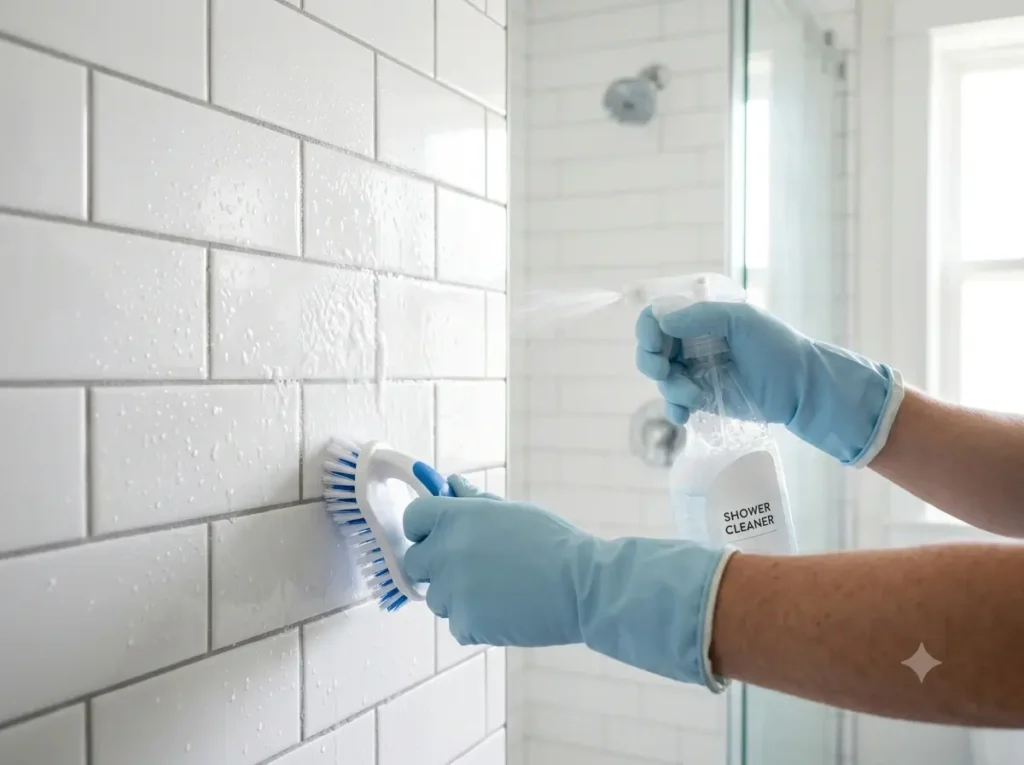
- Scrub grout and caulking; treat mold or mildew spots.
- Descale the showerhead and faucets (a vinegar soak works well).
- Clean behind and under the toilet base.
- Wash shower curtains or liners, or wipe down glass doors fully.
- Clean the exhaust fan cover.
- Wipe down cabinet interiors under the sink.
Bedroom Deep Clean
- Flip or rotate the mattress.
- Wash pillows and mattress protectors.
- Vacuum under the bed and behind furniture.
- Wipe down closet shelves before reorganizing.
- Dust blinds slat by slat.
- Wash curtains if machine-washable.
Living Room Deep Clean
- Vacuum under couch cushions and behind furniture.
- Wipe down baseboards and door frames.
- Dust and clean electronics, including behind the TV.
- Wash or vacuum curtains.
- Deep-clean carpets or rugs (shampoo or professional service).
- Wipe interior window glass and sills.
Entryway & Hallways
- Wipe down light switches and doorframes.
- Clean entry mats or shoe trays.
- Dust hallway light fixtures.
- Spot-clean scuff marks on walls.
Common mistake: Treating “deep clean” as “clean harder.” A true deep clean means reaching areas your weekly routine skips — behind, under, and inside, not just on top.
House Cleaning Checklist (Printable-Style)
Use this as a quick-reference house cleaning checklist for any full clean.
Kitchen
- Wipe counters, stovetop, and backsplash
- Clean sink and faucet
- Wipe appliance exteriors
- Sweep and mop floor
- Take out trash and recycling
Bathroom
- Scrub tub/shower
- Clean toilet inside and out
- Wipe sink and counter
- Clean mirror
- Sweep and mop floor
Bedrooms
- Change bedding
- Dust surfaces
- Vacuum floor, including under the bed
- Empty trash
Living Areas
- Dust furniture and electronics
- Vacuum upholstery and floors
- Wipe down remotes and switches.
- Clear and organize surfaces by removing clutter and straightening items.Clear and organize surfaces by removing clutter and straightening items.
Whole House
- Wipe doorknobs and light switches
- Vacuum all carpets and rugs
- Mop all hard floors
- Empty all trash bins
Cleaning Schedule for Home: Daily, Weekly, Monthly
A realistic cleaning schedule for home maintenance keeps mess from piling up into a weekend-consuming project.
Daily (10–15 minutes):
- Wipe down kitchen counters after cooking. Wash or load the dishes. Make the beds. Tidy up common areas quickly.
Weekly (1–2 hours):
- Dust all surfaces
- Vacuum and mop floors
- Clean bathrooms fully
- Change bed linens
- Take out trash and recycling
Monthly cleaning tasks help prevent dirt from building up over time. Wipe dust from baseboards, blinds, and light fixtures, as these areas are often overlooked during regular cleaning. Clean the inside of your microwave, wipe down small kitchen appliances, vacuum upholstered furniture, and remove fingerprints or marks from walls around light switches and door frames. Spending a little time on
Seasonal (Deep Clean):
- Full room-by-room deep clean (see section above)
- Clean windows inside and out
- Shampoo carpets
- Rotate mattresses
- Declutter closets and storage areas
Sticking to this cleaning schedule for home upkeep is what makes deep cleans faster — you’re refreshing, not rescuing, the house each season.
Spring Cleaning Tips
Spring cleaning tips work best when they focus on tasks you do once or twice a year. They should not focus on tasks you already do weekly.
- Wash windows inside and out, including screens and tracks.
- Flip mattresses and wash all bedding, including pillows and mattress protectors.
- Clean out the refrigerator and pantry, checking expiration dates.
- Declutter closets seasonally — swap out-of-season clothing and donate what you no longer wear.
- Deep clean or shampoo carpets and rugs.
- Dust and wipe down air vents and ceiling fans, which collect dust all winter.
- Clean the walls and baseboards in every room of the house.
- Check and clean gutters and outdoor entry areas as part of exterior upkeep.
Expert tip: Do spring cleaning over a weekend by splitting tasks by zone. Clean the kitchen one day. Do bedrooms and closets the next day. Don’t try to clean the whole house at once.
DIY Cleaning Solutions & Natural Cleaning Alternatives
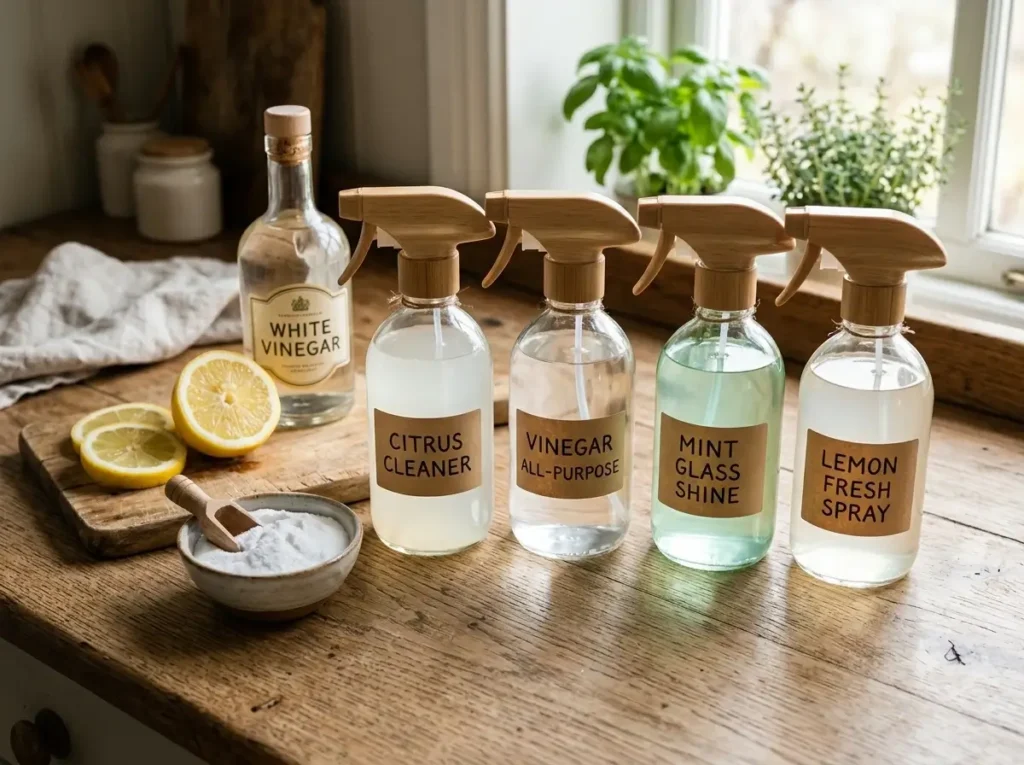
Natural cleaning alternatives work well for everyday cleaning and reduce strong chemical odors and costs.
DIY Solution Recipe Best For
| DIY Solution | Recipe | Best For |
|---|---|---|
| All-purpose cleaner | 1 part white vinegar, 1 part water, a few drops of dish soap | Countertops (non-stone), sinks, general surfaces |
| Glass cleaner | 1 cup water, 1/4 cup vinegar, a few drops dish soap | Mirrors, windows, glass |
| Soft scrub paste | Baking soda + a small amount of water | Bathtubs, sinks, grout |
| Deodorizer | Baking soda sprinkled on carpet, let sit 15 minutes, vacuum | Carpets and rugs |
| Wood furniture polish | Olive oil + a few drops of lemon juice | Wood furniture (test on a hidden spot first) |
Important safety note:
Skip the vinegar on granite, marble, or unsealed hardwood. It’s acidic. If you wait too long, it can etch the finish. It leaves dull, cloudy patches. They usually won’t buff out, no matter how hard you try. Also — and this one’s non-negotiable — never mix vinegar cleaners with bleach or ammonia. It’s not just that it won’t work well together. That combination produces fumes that can genuinely hurt you.
Floors: The Right Way to Clean Every Type
Floor Type Best Cleaning Method Avoid
| Floor Type | Best Cleaning Method | Avoid |
|---|---|---|
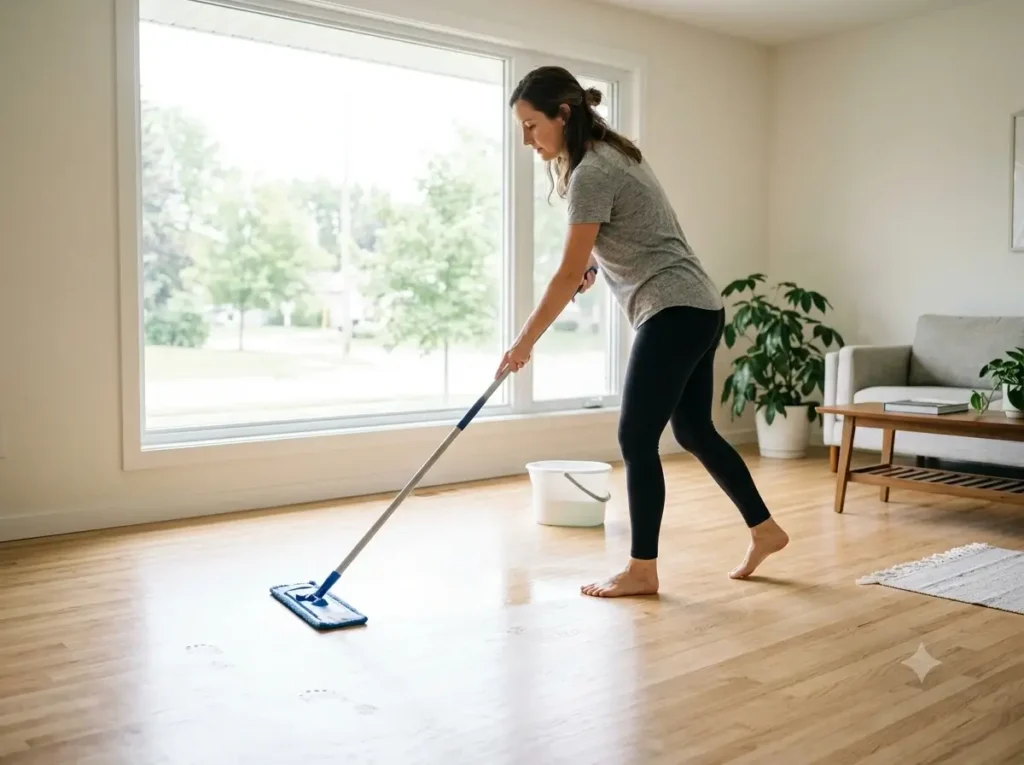
| Hardwood | Damp (not wet) microfiber mop with a pH-neutral hardwood cleaner | Excess water, vinegar-based cleaners |
| Tile | Mop with warm water and mild detergent; scrub grout monthly | Abrasive pads on glazed tile |
| Carpet | Vacuum weekly; professional deep clean every 12–18 months | Over-wetting, which invites mold in the padding |
| Laminate | Slightly damp mop, dry quickly | Standing water, steam mops |
| Vinyl/LVP | Mop with a manufacturer-approved cleaner | Wax-based products, abrasive tools |
Cleaning Products by Surface
SurfaceRecommended ProductNotes
| Surface | Recommended Product | Notes |
|---|---|---|
| Granite/quartz counters | pH-neutral stone cleaner | Avoid vinegar and bleach, which can etch stone |
| Stainless steel | Dedicated stainless cleaner or mild dish soap | Wipe with the grain to avoid streaking |
| Glass/mirrors | Ammonia-based glass cleaner or DIY vinegar mix | Use a lint-free cloth |
| Wood furniture | Wood-specific polish or a damp microfiber cloth | Avoid excess moisture |
| Grout | Baking soda paste or dedicated grout cleaner | Rinse thoroughly after scrubbing |
How to Keep a House Clean Long-Term
Learning how to keep a house clean isn’t about one big effort — it’s about small daily habits that prevent buildup.
- Make the bed every morning. It anchors the room and takes under two minutes.
- Do a nightly 10-minute reset of common areas before bed.
- Handle dishes the same day, not the next morning.
- Keep a “donate” box in a closet for items to remove as you notice them.
How to Maintain a Clean House With a Busy Schedule
For households with limited time, maintaining a clean house comes down to smaller, more frequent sessions rather than one long weekend clean.
- Break tasks into 15-minute blocks spread across the week rather than one marathon session.
- Involve the whole household — assign age-appropriate chores to kids and shared tasks to partners.
- Clean high-traffic areas more often (kitchen, main bathroom) and let low-traffic rooms go on a lighter schedule.
- Use a rotating checklist so no single day carries the full workload.
- Automate where possible — a robot vacuum or scheduled laundry reminders reduce manual decision-making.
How Much It Costs to Clean a House (DIY vs. Professional)
Not sure whether to clean your home yourself or hire a professional? Both options have their advantages. DIY cleaning costs less but takes more time, while professional cleaners can save you hours of work. The table below provides a general comparison to help you decide which option best fits your needs. Prices may vary depending on where you live and the size of your home,
| Option | Typical Cost Range | Best For |
|---|---|---|
| DIY cleaning (supplies only) | $30–$75 one-time for a starter supply kit | Ongoing weekly maintenance |
| Standard professional cleaning | $120–$250 per visit for an average home | Regular upkeep without the time investment |
| Deep cleaning service | $200–$400 per visit | Move-in/move-out, spring cleaning, first-time service |
| Recurring cleaning service (biweekly/monthly plans) | Often discounted per visit vs. one-time bookings | Households wanting consistent upkeep |
The square footage, number of bathrooms, and condition of the home determine the price. It is advisable to request quotes from several local, licensed, and insured cleaning services before making a booking.
Common Cleaning Mistakes
- Cleaning from the bottom up, rather than top to bottom, causes rework. Using one cloth for the entire house spreads bacteria between rooms. Skipping ventilation while using chemical cleaners is harmful.
- Over-wetting hardwood or laminate floors can warp the material over time.
- Ignoring high-touch surfaces like light switches, remotes, and doorknobs.
- Letting disinfectants sit for too short a time — most need several minutes of contact actually to kill germs.
- Trying to deep clean without decluttering first, which slows the entire process down.
Expert Tips for Faster Results
- Set a timer per room to stay on pace.
- Keep a cleaning caddy stocked so you’re not walking back and forth.
- Clean as you go in the kitchen to prevent weekend buildup.
- Use color-coded microfiber cloths to avoid cross-contamination between rooms.
- Always declutter before cleaning — clutter slows down every other step.
Safety Tips
Gloves aren’t optional here — bleach and strong disinfectants will dry out and irritate your skin faster than you’d expect, even with short contact.
This one’s worth repeating: never, ever mix bleach and ammonia. That combo creates toxic fumes, and it’s not a slow buildup — it can hit you almost immediately.
Keep everything up and out of reach — a cabinet with a child lock, or a high shelf, works better than just “somewhere in the closet.”
– Ensure proper ventilation in rooms when using aerosol sprays or chemical cleaners.
- – Always read the product labels to understand the required contact time and proper dilution instructions.
When to Hire a Professional Cleaner
- A DIY cleaning routine works well for most homes.Hire professionals when you are moving in or out.They can do a deep clean by a set deadline.Hire them if there is mold or strong pet odor.They can also handle major, long-neglected buildup.
- You have limited mobility or health conditions that make scrubbing and lifting difficult.
- You don’t have the time and want a consistent, recurring schedule.
Professional cleaners also bring commercial-grade equipment for carpets and upholstery that most households don’t own.
Key Takeaways
Declutter first — seriously, this alone will cut your cleaning time down more than any product or trick will.
Work top to bottom, back to front, and save the floors for last. Skip this order, and you’ll end up redoing steps you thought you’d finished.
Don’t save it all for one big weekend push. A steady daily/weekly/monthly rhythm beats a single marathon cleaning session every time.
Vinegar and baking soda handle most everyday messes well.Keep them away from natural stone counters and unsealed wood.The acid can harm the finish.
Cleaning services vary a lot in price depending on where you live and how big the place is, so it’s worth getting a couple of local quotes before you commit to anything.
Don’t save it all for one big weekend push. A steady daily/weekly/monthly rhythm beats a single marathon cleaning session every time.
FAQs
Q: How do I clean a house professionally, like the pros do?
A: Professionals work off a strict system — top to bottom, room by room, with dedicated tools for each surface so nothing gets cross-contaminated. The real difference isn’t the products, it’s the order and the consistency: they never skip steps, and they always finish with floors.
Q: How much can I charge to clean a house (if I’m starting a cleaning business)?
A: Most independent cleaners charge somewhere between $25–$50 an hour, or a flat rate of $120–$250 per standard home visit, depending on square footage and how many bathrooms are involved. Rates run higher in bigger cities and for deep cleans or move-out jobs.
Q: What’s the fastest way to clean a house before guests arrive?
A: Focus only on what people will actually see — wipe down counters, clear surface clutter, run a quick vacuum through main walkways, and give the bathroom a fast wipe-down. Skip anything behind furniture or inside cabinets; that can wait.
Q: How do I clean a house with fleas?
A: Vacuum every carpet, rug, and upholstered surface daily for at least two weeks — fleas lay eggs in fabric fibers, so one pass won’t do it. Wash all pet bedding in hot water, and treat both the pet and the home at the same time, or the cycle just restarts.
Q: How do I clean my house’s air ducts?
A: This one’s genuinely best left to a professional duct-cleaning service with the right vacuum equipment — DIY attempts usually just push dust deeper into the system instead of removing it. You can wipe visible vent covers yourself in the meantime.
Q: How do I clean a dryer vent myself?
A: Unplug the dryer, disconnect the vent hose, and use a dryer vent brush kit to clear lint from both the hose and the wall duct. Do this once a year minimum — a clogged vent is one of the leading causes of house fires.
Q: What are the best eco-friendly cleaning products?
A: Look for plant-based formulas without ammonia, phosphates, or synthetic fragrances — brands like Branch Basics, Puracy, and Better Life are commonly recommended. Or just make your own with vinegar, baking soda, and castile soap for most everyday jobs.
Q: Is a robotic vacuum worth it for a house with pets?
A: For maintaining floors between deep cleans, yes — look for models with strong suction and tangle-resistant brush rolls specifically designed for pet hair. It won’t replace a full vacuum session, but it keeps shedding from piling up day to day.
Q: How do I use a steam cleaner around the house?
A: Steam cleaners work well on sealed tile, grout, and some hard floors, but skip them on hardwood and laminate — the heat and moisture can warp or damage the finish. Always check your specific flooring manufacturer’s guidance first.
Q: Are professional house cleaning companies actually affordable?
A: It depends on frequency — a one-time deep clean feels pricier, but recurring biweekly or monthly plans are usually discounted per visit and can end up cheaper per hour than doing it all yourself when you factor in your own time.
Conclusion
Learning how to clean a house doesn’t have to be overwhelming. By removing clutter first, cleaning each room from top to bottom, and following a simple routine, you can keep your home tidy without spending an entire day cleaning. Small daily habits, combined with weekly and monthly tasks, make it much easier to stay on top of household chores.
Use the house-cleaning checklist and schedule in this guide as a starting point, then adjust them to match your lifestyle, family size, and cleaning needs. Over time, a consistent routine will save you time, reduce stress, and help you maintain a cleaner, healthier home year-round.
About the Author
Home Tweakz Team is a small group of home improvement folks — researchers, DIY enthusiasts, and a couple of interior design specialists — who actually care about getting the details right before publishing anything. We dig through industry sources, cross-check expert advice, and lean on real hands-on experience so that what you’re reading is something you can actually act on, not just generic advice repeated from elsewhere.
Website: HomeTweakz.com